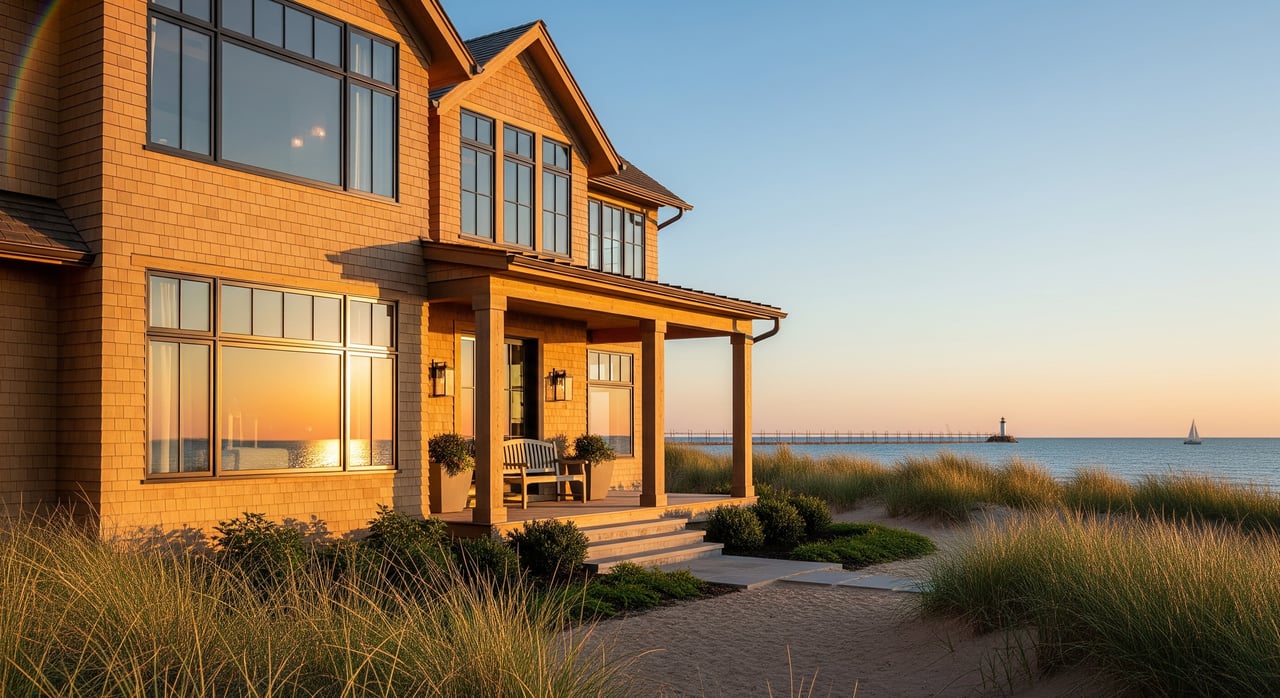
Thinking about buying in Grand Haven but unsure where to start? You are not alone. The Grand Haven housing market has three very different experiences: Lake Michigan frontage, homes along the channel, and inland neighborhoods. Each one comes with its own pricing, pace, risks, and lifestyle. In this guide, you will learn how these segments differ, when to shop, what costs to plan for, and how to evaluate a property with confidence. Let’s dive in.
How Grand Haven’s market breaks down
Grand Haven sits in Ottawa County on a stunning stretch of the Lake Michigan shoreline. Buyers often compare three segments because they fit different goals and budgets.
Lake Michigan frontage
If direct beach access and open-lake views top your list, this is the target. These homes command the strongest premiums thanks to unobstructed water, privacy, and rare lots, especially near Grand Haven State Park and along the shoreline. Inventory is tight and tends to appear in spring and summer. Expect higher ownership costs and more due diligence on shoreline conditions, permits, and insurance.
Channel-area homes
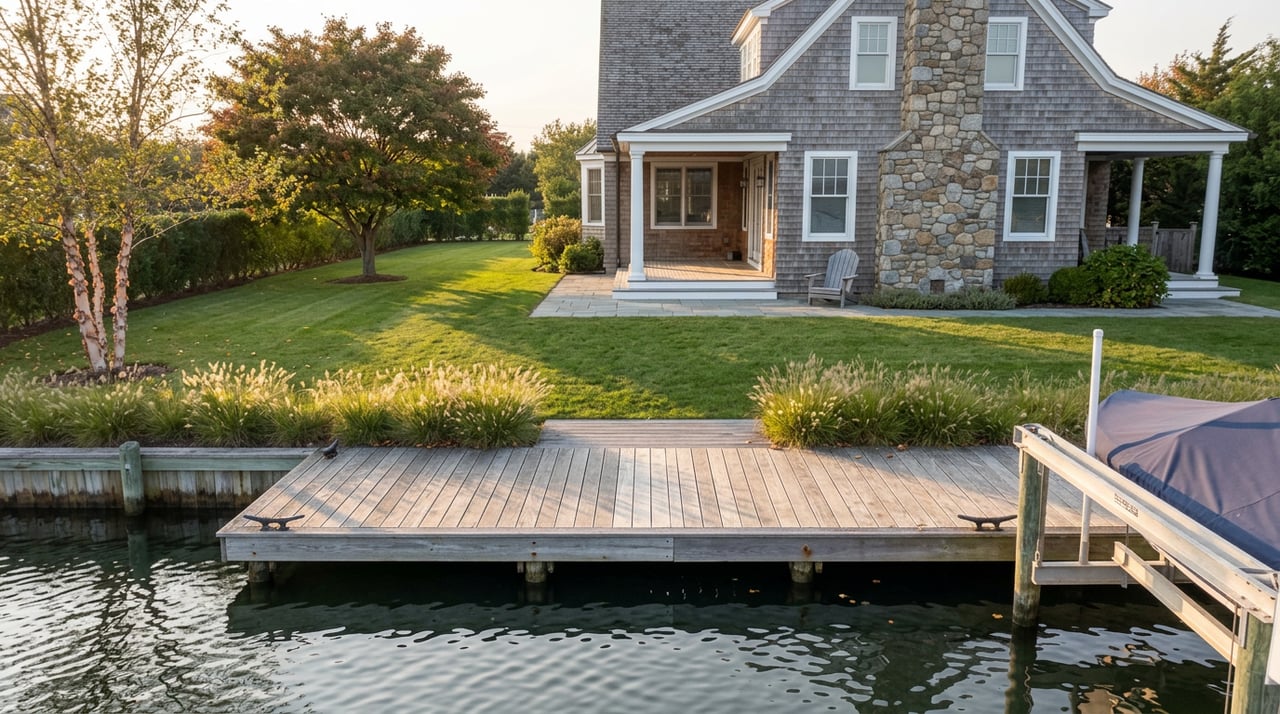
Channel properties sit along the Grand Haven Channel and harbor corridor. Many offer dock access or slips, direct channel views, and quick access to downtown. You will see a mix of single-family homes and a notable concentration of condos and townhomes. Prices typically sit below direct lake frontage but above most inland options. Verify dock rights, HOA rules, and water depth if boating is a priority.
Inland neighborhoods and nearby townships
Inland homes offer the broadest selection and the most predictable buying process. You will find a range of price points, from city neighborhoods to newer subdivisions in nearby townships within Grand Haven zip codes and Grand Haven Area Public Schools boundaries. These properties often have lower insurance premiums, fewer shoreline risks, and easier financing paths.
What drives price and availability
Price and supply vary by lifestyle, lot scarcity, and exposure to the water.
- Lake Michigan frontage: Highest premiums due to views, privacy, and beach access. Limited inventory and strong summer demand can create faster sales. Owning on the open lake also brings unique risks, including dune and bluff considerations.
- Channel-area: Premiums reflect boat access, slips, and walkability near marinas and downtown events. Condo turnover can be higher, so watch association health and rules.
- Inland: More inventory across a wide price range. Days on market are often steadier, and ownership costs are usually lower than waterfront.
In strong markets, waterfront can sell quickly. When the market softens, inland homes may show more stable days on market. Your best move is to compare active listings, 12‑month closings, and days-to-contract for each segment before you write an offer.
Seasonality and timing tips
Grand Haven follows a clear seasonal rhythm.
- Spring to early fall: Most new listings arrive from April through September, with May to August as peak activity. If you want the most choices, shop during this window and prepare for competition, especially on lakefront and channel addresses.
- Winter: Inventory dips and showings slow. You may have more room to negotiate on price or terms, but there will be fewer options. Appraisals and comps can also be leaner in the off-season.
- Waterfront nuance: If you are serious about lake frontage, visit in both high summer and late winter. You want to see beach width, storm patterns, and any dune or shoreline changes across seasons.
Practical timing plays:
- Get fully pre-approved before peak season. Waterfront buyers should discuss appraisal strategy with their lender.
- Track days on market and price adjustments. Properties with longer exposure or seasonal rental gaps sometimes allow better terms.
- Set alerts for new listings so you can tour fast. Popular segments can move quickly in late spring.
Budgeting and financing, simplified
The right budget goes beyond the purchase price. Build a plan that fits the property type.
- Loan type and size: High-priced waterfront homes may require a jumbo loan. Inland homes often fit conventional, FHA, or VA products. Confirm current conforming loan limits in Ottawa County with your lender.
- Appraisal risk on waterfront: Limited sales comps can lead to appraisal gaps. Discuss strategies like appraisal contingencies or added cash reserves in case the appraised value lands below your offer.
- Insurance: Properties in FEMA Special Flood Hazard Areas may require flood insurance. Expect higher premiums on waterfront and channel homes. Ask for any elevation certificates and check flood zone status early.
- Ownership costs: Waterfront carries higher maintenance budgets for shoreline structures, decks, docks, and exterior finishes. If buying a condo, review HOA dues, reserve funds, and any special assessments.
- Utilities and systems: Confirm municipal sewer vs septic. If septic, request recent inspections and maintenance records.
How to research each property
Use a consistent checklist to compare options.
- Verify listing and tax-parcel records: Days on market, prior sales history, property tax history, recorded easements, and covenants.
- Confirm flood zone status: Ask for an elevation certificate if available and understand lender insurance requirements if the property sits in a mapped flood area.
- Sewer vs septic: Request documentation for septic inspections, pumping, and permits.
- Home systems: Check age and condition of roof, foundation, windows, and mechanicals. Review utility costs where available.
- Recent comps: Focus on 6 to 12 months of comparable sales in the same segment and as close in location as possible. For waterfront, the same shoreline or channel section matters.
Extra checks by segment
Lake Michigan frontage
- Shoreline history: Ask about bluff and dune stability and any erosion mitigation.
- Permits and compliance: Confirm permits for seawalls, riprap, or shoreline work and review compliance history.
- Access and privacy: Clarify public access points and any recorded easements that affect the lot.
- Setbacks and restrictions: Review coastal setback and dune ordinances before planning changes.
Channel-area homes
- Dock or slip rights: Verify that docking rights transfer, note any association fees, and review maintenance records.
- Navigability: Ask about water depth at low water if you plan to keep a larger boat.
- Local rules: Understand wake restrictions and docking permits that apply to your location.
Inland neighborhoods
- Site and drainage: Review any local floodplains even if far from the lake.
- Utilities: Municipal sewer is common, which simplifies due diligence.
- Broader choice: Expect a wide range of lot sizes, ages, and styles. Compare neighborhood amenities, commute routes, and proximity to downtown.
Making offers with confidence
A great offer balances speed, clarity, and protection.
- Prepare clean terms: Strong pre-approval, clear timelines, and limited contingencies can help in peak season.
- Protect your interests: Keep key inspections, understand association rules, and stay realistic about appraisal timelines on waterfront.
- Watch seasonal dynamics: Summer competition can push pricing. In winter, you may negotiate appliances, closing costs, or closing dates with motivated sellers.
Why your agent team matters
Buying near the water is not just about price. It is about lifestyle fit, long-term value, and smart risk management. A local team that lives and works the Lakeshore can read seasonal patterns, segment pricing, and the fine print on waterfront permits and flood zones. You should expect clear guidance, fast updates on new listings, and thorough preparation before you write an offer.
If you want a calm, concierge approach backed by deep lakeshore expertise and strong regional reach, connect with the team at Michigan Homes and Cottages. We help you compare the three Grand Haven markets, tour with purpose, and move forward with confidence.
FAQs
How does Lake Michigan frontage compare to inland pricing in Grand Haven?
- Lake frontage often carries the highest premiums because of views, privacy, and rare lots, while inland homes offer broader choice and more predictable costs. Exact gaps vary by lot, location, and recent comps.
Are channel-area homes almost as expensive as open-lake properties?
- Channel homes usually price between inland and open-lake frontage. The final number depends on features like dock ownership, direct views, and proximity to the harbor and downtown.
When is the best time to buy in Grand Haven?
- Spring and summer deliver the most choices but higher competition. Winter brings fewer listings and more negotiation room. For waterfront, visit in multiple seasons to see shoreline and storm impacts.
What extra costs should I plan for with waterfront or channel homes?
- Budget for flood and higher homeowner insurance, shoreline or dock maintenance, potential HOA or dock fees, and possibly higher property taxes. Condos may also have special assessments.
What special permits or rules affect building near water in Grand Haven?
- Shoreline and dune protections apply at the state and local levels. Before planning changes, review coastal setbacks, permits for seawalls or riprap, and any local zoning or association restrictions.