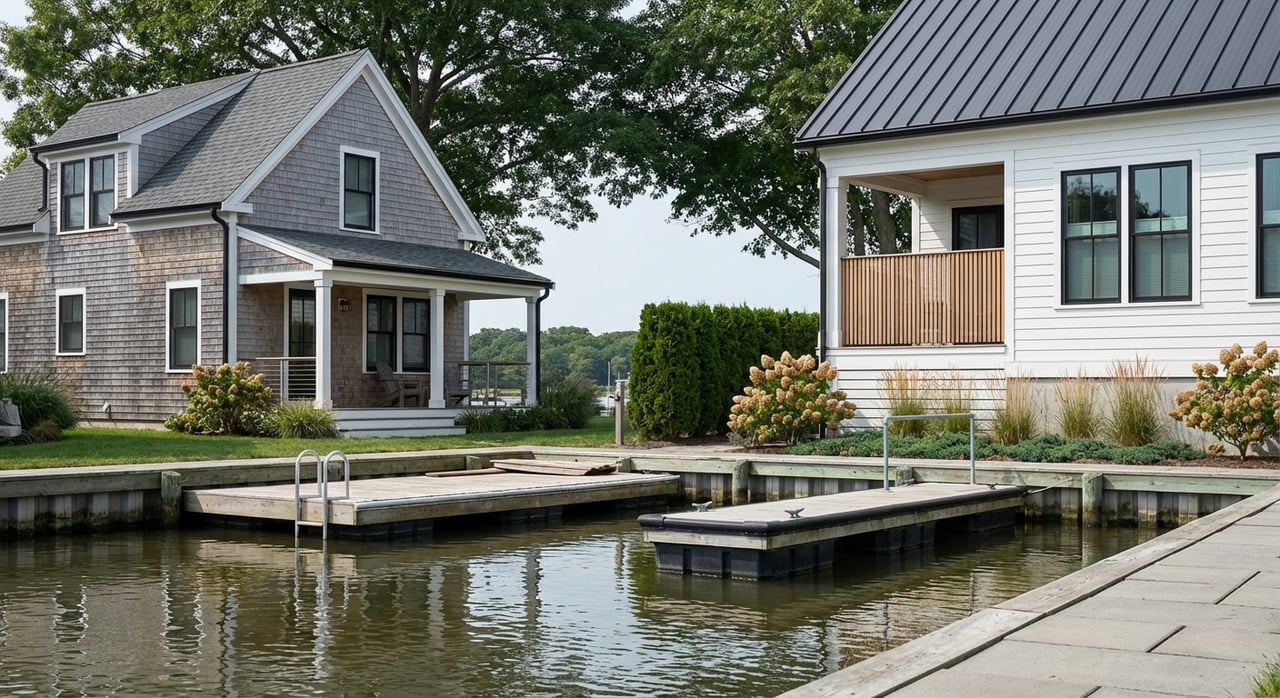
Are you dreaming of sunrise coffee on the deck and afternoons on the water, but not sure if a Lake Macatawa cottage or condo is the better fit? You are not alone. Buyers often weigh privacy, boat access, maintenance, and rental flexibility before they decide. In this guide, you will learn how each option works on Lake Macatawa so you can choose with confidence. Let’s dive in.
Lake Macatawa at a glance
Lake Macatawa is a shallow inland lake of roughly 1,700 to 1,800 acres and about 6 miles long, with deeper navigation channels that connect to the Holland docks and Lake Michigan through a maintained channel. The shoreline includes two notable bays, Big Bay and Pine Creek Bay, which influence boating routes and anchorage. You will also find a mix of historic cottage areas and modern lake homes along streets like South Shore Drive and Waukazoo Drive. For size, depth, and connection details, see the overview on the Lake Macatawa page from Wikipedia’s summary of the lake’s geography and use Lake Macatawa overview.
Water quality is part of the story. Local watershed groups track sediment and phosphorus in the Macatawa watershed, which can affect water clarity, aquatic plants, and seasonal dock maintenance. If you plan to keep a boat or maintain a shoreline, this context matters. You can read more background from the Macatawa Area Coordinating Council’s watershed page Macatawa watershed context.
Condo vs. cottage: what changes day to day
Choosing a condo or a single-family cottage changes how you handle upkeep, insurance, and surprises. Think about your time, your budget style, and how much control you want over the property.
Maintenance and dues
- Condominiums: Association dues usually cover exterior repairs, common-area landscaping, snow removal on shared drives, insurance for common elements, utilities for shared areas, management fees, and reserves for big projects. Waterfront communities that include docks or slips often carry higher dues to fund upkeep of those amenities. Always ask for the most recent budget and reserve study to understand upcoming costs.
- Single-family cottages: You are responsible for the roof, siding, landscaping, shoreline protection, and any private dock or boat lift. Plan for seasonal rhythms, like dock removal and installation, winter boat storage, and shoreline clean-up. If the home has a septic or well, build in inspection and maintenance cycles.
Insurance and risk
- Condominiums: The association carries a master policy for common elements and sometimes the building shell. You will need an HO-6 policy for interior finishes, contents, and loss-assessment coverage. The exact split between the master policy and your policy is defined in the condo documents, so read them carefully. For a primer on condo master policies and HO-6 coverage, see this overview condo master policy and HO-6 basics.
- Single-family cottages: You will maintain a standard homeowners policy and should consider boat and dock coverage if you own those items. Because lakefront systems face weather, ice, and water-related wear, a shoreline and dock inspection is a smart step before closing.
Docks, slips, and boating access
If your vision includes keeping a boat on Lake Macatawa, confirm access details before you write an offer. Private dock rights and condo slip rules vary by property.
What to verify
- Deeded access: Some single-family lakefront parcels have riparian rights that allow a personal dock. Read the deed for access language and any easements that could affect use or privacy.
- Condo slips: When a condo advertises docks or slips, they can be deeded, leased, or assigned by the association. Ask for the policy that explains assignment, waitlists, guest tie-ups, and transfer rules. Clarify whether slip rights transfer with the unit.
Permits and safety zones
Many new or replacement docks on Michigan inland lakes need permits under Part 301 (Inland Lakes and Streams). Do not assume an existing dock was permitted; permit history matters for future repairs or replacement. The Michigan EGLE page outlines the process and standards EGLE inland lakes and streams permits.
Local watercraft control rules set no-wake zones and speed limits in parts of Lake Macatawa. If you plan watersports, review the published local controls for Ottawa County so you know where towing or higher speeds are allowed Ottawa County watercraft control rules.
Marinas and alternatives
If a property does not include a private dock or assigned slip, a nearby marina can be a good solution. Ottawa County and the City of Holland operate public launches and marina facilities, including Ottawa Beach Marina, with seasonal and transient options. Always check availability, fees, and waitlist status before you buy Ottawa County boating and marinas.
Renting your place: rules you must clear
Rental flexibility depends on two layers of rules: municipal regulations and association documents. You need alignment on both.
City and township rules
- City of Holland: Short-term rentals require a Short-Term Rental Certificate of Compliance. The city treats owner-occupied and investor-owned rentals differently and has limits in residential zones. Before you rely on rental income, confirm the property’s zoning and certificate requirements directly with the city Holland short-term rental guide.
- Park Township: The township has moved to restrict short-term rentals in some residential areas, and enforcement has followed recent court rulings. Rules have changed over time, so verify the latest status for the exact parcel with the township zoning office. Local coverage summarizes recent steps toward fines and enforcement Park Township short-term rental enforcement update.
HOA and condo restrictions
Association declarations often limit leasing through minimum lease lengths, caps, or owner-occupancy requirements. In Michigan, communities can enforce restrictions where governing documents allow it, and courts have viewed some short-term rentals as a prohibited commercial use under certain deed restrictions. Always request the written rental policy and any recent enforcement actions before you commit HOA rental restriction context.
Privacy, lifestyle, and resale signals
Your day-to-day experience will feel different in a condo versus a cottage.
- Condominiums: Expect shared walkways, parking, and amenity areas. If docks are communal, shoreline privacy can be limited. The tradeoff is convenience, lower personal maintenance, and a lock-and-leave lifestyle that suits frequent travelers or second-home owners.
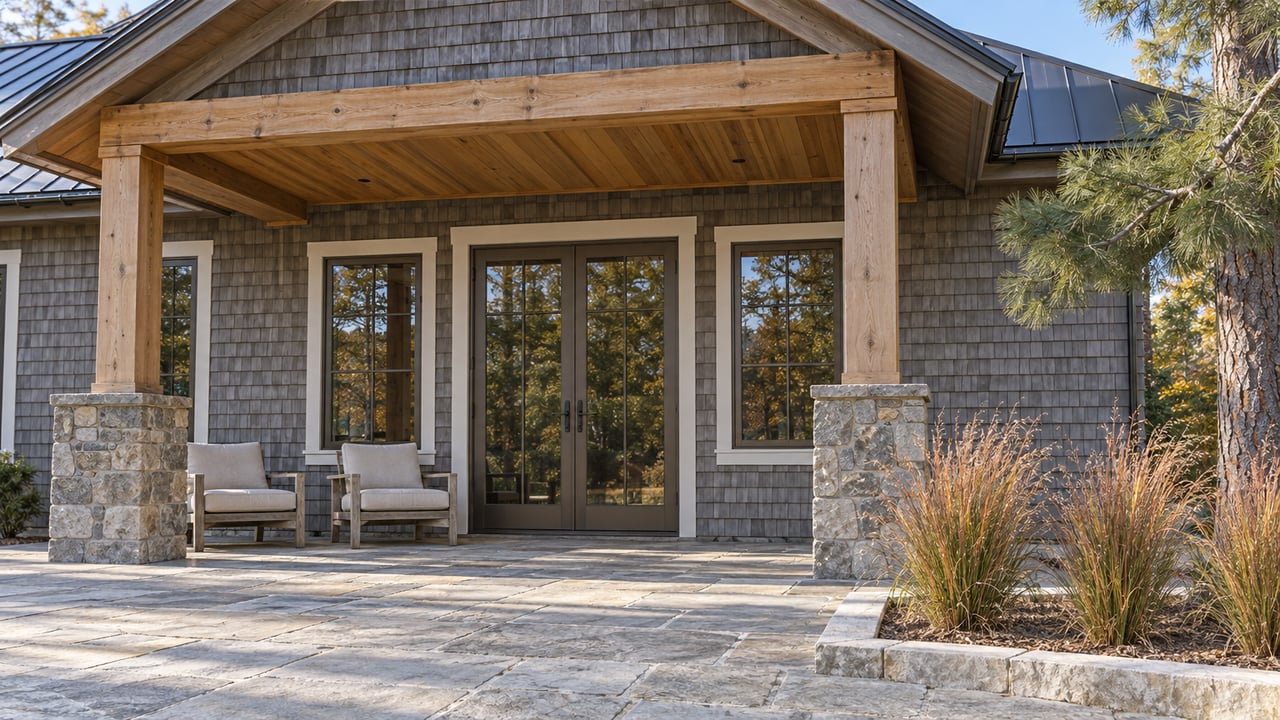
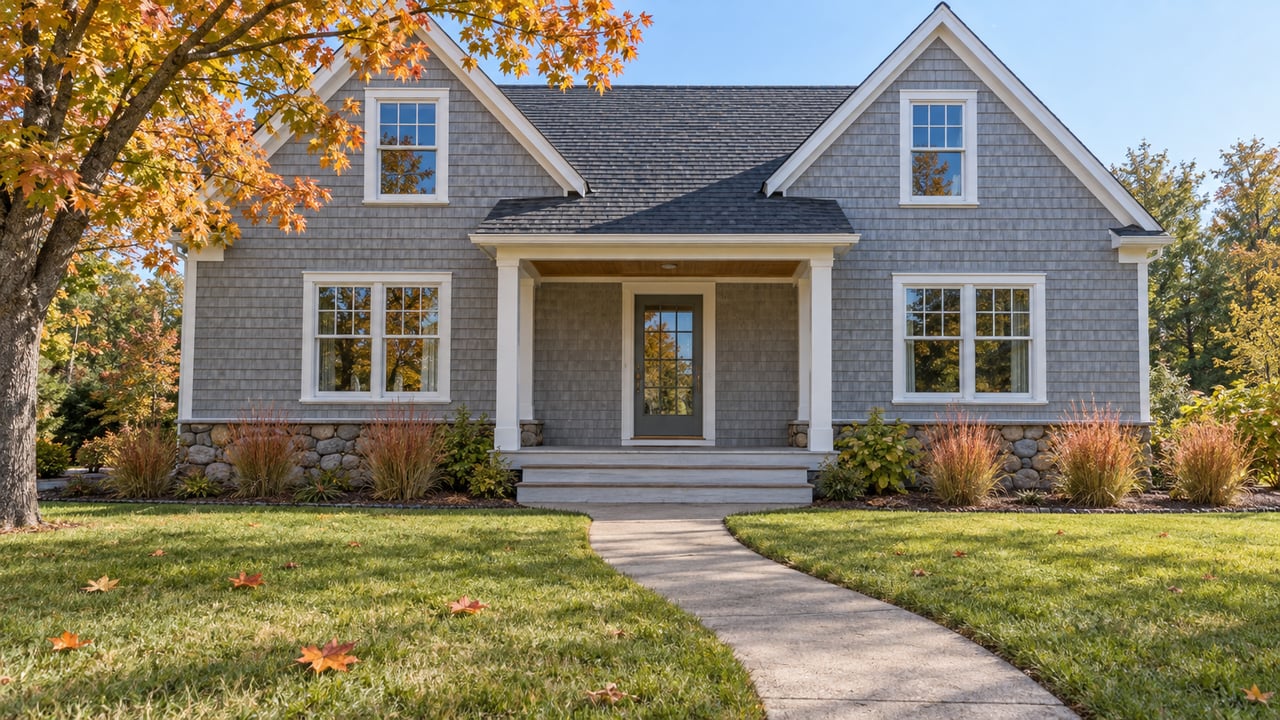
- Single-family cottages: You will typically have more control over your shoreline and outdoor living spaces. Historic cottage areas, like those found around Macatawa Park, offer a traditional lake experience with seasonal rhythms and a close-knit neighborhood feel. This option suits buyers who want more privacy and the freedom to customize.
On resale, buyers respond to a few consistent signals:
- Water access quality: Private dock versus assigned slip can change demand and pricing.
- Association health: Well-funded reserves, clear budgets, and a clean litigation history support confidence.
- Municipal rules: Short-term rental limitations shape buyer pools and expected returns.
- Environmental context: Water clarity, aquatic plant growth, and sediment can influence perceptions of lakefront desirability and shoreline care.
Due-diligence checklist before you offer
Use this list to reduce surprises and protect your long-term enjoyment.
If buying a condo
- Request the full association packet: declaration and bylaws, rules, current budget, last 2 to 3 years of financials, most recent reserve study, insurance declarations, management contract, and meeting minutes for the last 12 to 24 months.
- Ask for written policies on docks or slips: ownership versus assignment, waitlist rules, guest tie-ups, transfer fees, and maintenance responsibilities.
- Review the master insurance policy and confirm your HO-6 coverage needs with an insurance professional.
If buying a single-family cottage
- Confirm deeded riparian rights, recorded easements, and any dock or shoreline encumbrances.
- Obtain permit history for docks, lifts, riprap, or shoreline structures. Plan for any new EGLE approvals if you intend to replace or expand dock permit guidance.
- Order a shoreline and dock inspection to evaluate pilings, decking, hardware, and erosion.
For both options
- Verify municipal rental rules for the parcel’s jurisdiction and your intended use Holland short-term rental requirements and recent township updates Park Township STR enforcement.
- Review local watercraft controls for boating plans Ottawa County watercraft controls.
- Build a 3 to 5 year cash flow model that accounts for dues, likely increases, assessments, dock maintenance, winterization, and realistic rental income if applicable.
Which option fits you best
- Choose a condo if you want predictable monthly costs, amenity access, and the ability to lock up and go without arranging exterior maintenance. This is a strong fit if you plan to travel, value a community setting, and are fine with rules that shape use and rentals.
- Choose a single-family cottage if you want maximum control over your shoreline and property, prefer more privacy, and are comfortable managing contractors and variable maintenance. This route makes sense if a private dock is a must-have and you enjoy customizing your outdoor living spaces.
Ready to explore properties on Lake Macatawa
Whether you are leaning toward a low-maintenance condo with a slip near the marinas or a classic cottage with private shoreline, you deserve clear, local guidance. Our team pairs deep West Michigan lake expertise with premium, concierge service to help you compare options and move forward with confidence. When you are ready, connect with Michigan Homes and Cottages to start a focused search and see what is possible on Lake Macatawa.
FAQs
What are the main differences between a Lake Macatawa condo and a cottage?
- Condos centralize exterior and amenity upkeep through association dues, while cottages place maintenance and shoreline care on you, with more privacy and control over the property.
How do I confirm if a Lake Macatawa property includes a private dock?
- Review the deed for riparian rights, check for recorded easements, and obtain EGLE permit history for any existing or planned docks before you close.
Can I operate a short-term rental on Lake Macatawa?
- It depends on city or township rules and your association documents; Holland requires short-term rental certification and Park Township has moved to restrict STRs in some areas.
What insurance do I need for a lakefront condo vs. a cottage?
- Condo owners carry an HO-6 policy for interiors and contents alongside the association’s master policy, while cottage owners hold a standard homeowners policy and often add boat and dock coverage.
Are there boating speed limits or no-wake zones on Lake Macatawa?
- Yes, local watercraft controls set slow-no-wake areas and speed rules in parts of the lake, so check the Ottawa County guidelines before planning watersports.