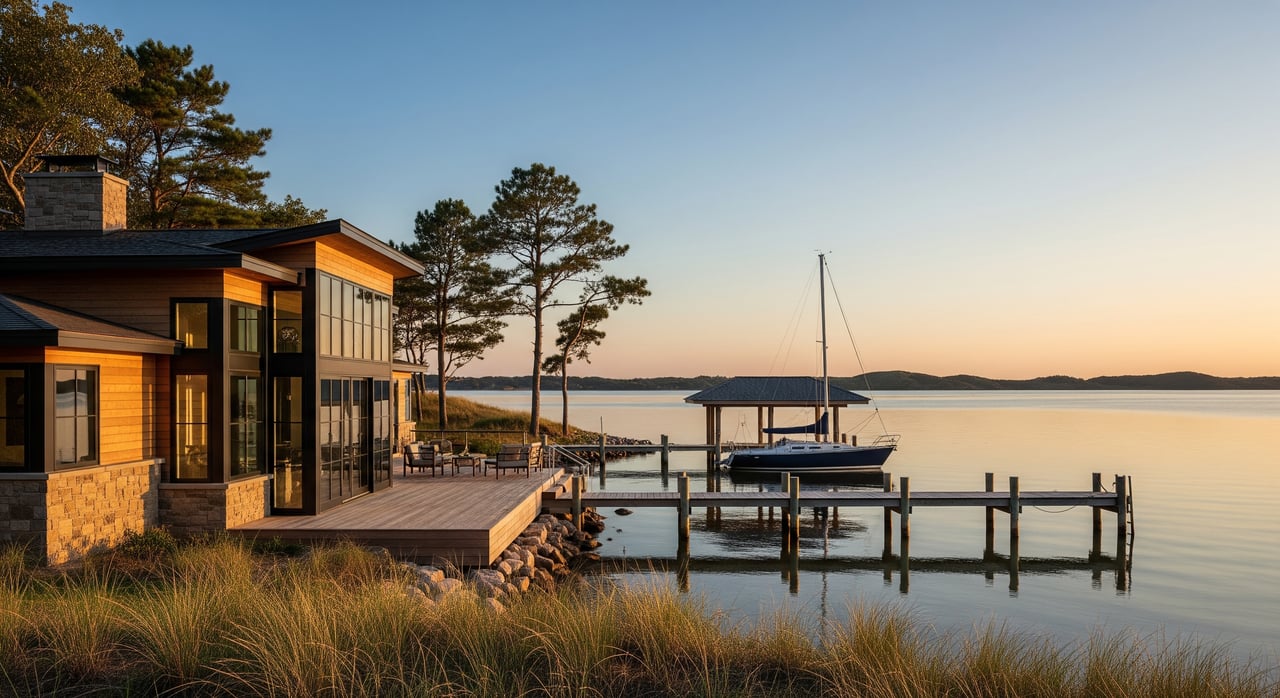
Thinking about a West Michigan waterfront hideaway you can reach from Chicago without boarding a plane? The Macatawa and Holland shoreline around the iconic Big Red lighthouse gives you a rare mix of beach, boating, and classic cottage neighborhoods. If you are weighing Lake Michigan waves against Lake Macatawa’s protected waters, or debating a vintage cottage versus a newer build, you are in the right place. This guide breaks down the choices, the due diligence that matters, and what to expect as a second-home buyer in ZIP 49434. Let’s dive in.
Why Macatawa works for weekenders
Macatawa sits at Holland Harbor, where Lake Macatawa meets Lake Michigan. You get sheltered harbor waters, sandy beaches, and quick access to Holland State Park and the Big Red lighthouse. It is a compact area with distinct neighborhoods that center around the shoreline and channel.
If you are coming from the Chicago metro, the typical drive is about 2.5 to 3 hours depending on traffic, with I‑94 as the main route for most buyers. The nearest major airport is Gerald R. Ford International in Grand Rapids for connections. Most weekend owners drive in for short stays, since direct public transit is limited and schedules can vary.
Before zeroing in on an address, note that properties can fall under different jurisdictions, including the City of Holland and Park Township. Zoning, permitting, and short‑term rental rules differ, so verify the specific municipality for any parcel you consider.
Lake Michigan vs Lake Macatawa
Open‑water Lake Michigan
If you want big‑sky sunsets, sandy beach, and the feeling of being on the open lake, direct Lake Michigan frontage is a standout. You will trade for more wave exposure, shifting sand, and potential erosion concerns that require attention. Some beachfront homes do not have private deep‑water slips, so serious boating often pairs with a marina solution nearby.
Protected Lake Macatawa
Lake Macatawa functions like a sheltered harbor with deeper channels for boating and calmer water. If your priority is keeping a boat close with easy docking and service, Lake Macatawa or nearby marinas are often the best fit. Views are still beautiful, and you gain a marina culture that simplifies launching, fueling, and winter storage.
Canal and side channels
Some homes sit along canals or side channels connecting to Lake Macatawa. These lots can offer protected docking and a quieter setting. Access, depth, and maintenance needs can vary by channel, so confirm navigability and dredging history.
Cottages vs newer homes
Historic cottages
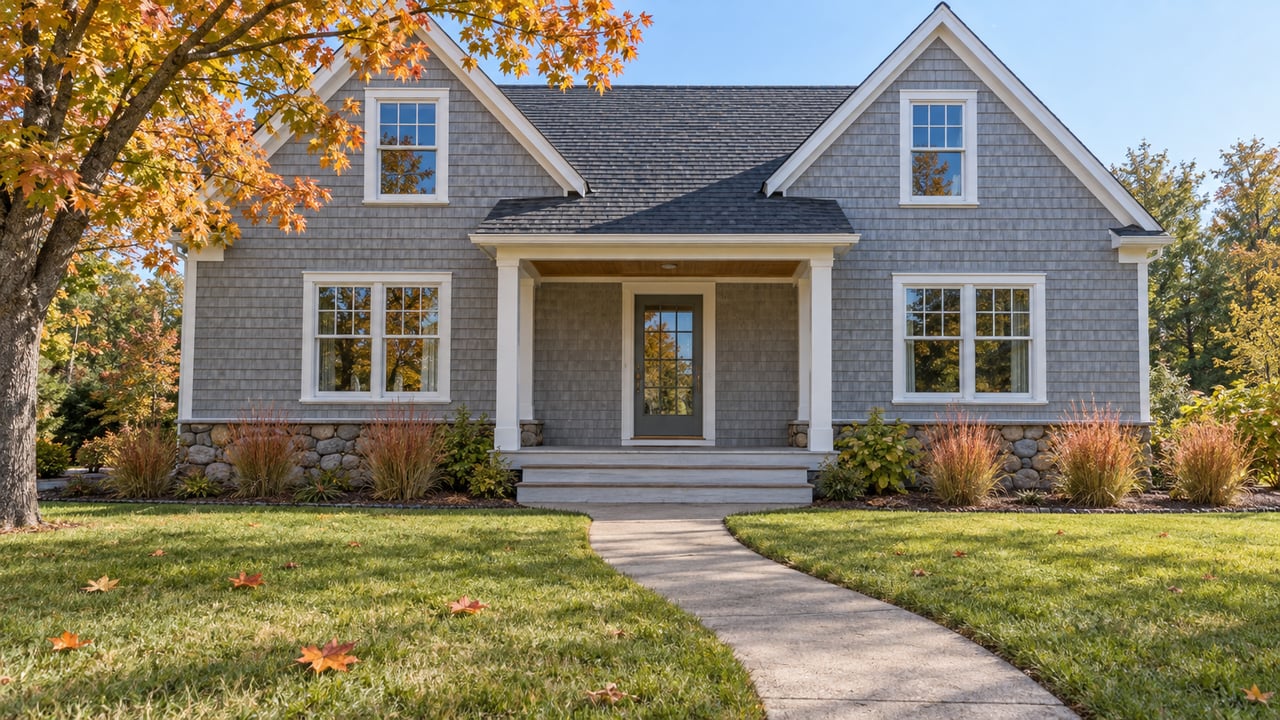
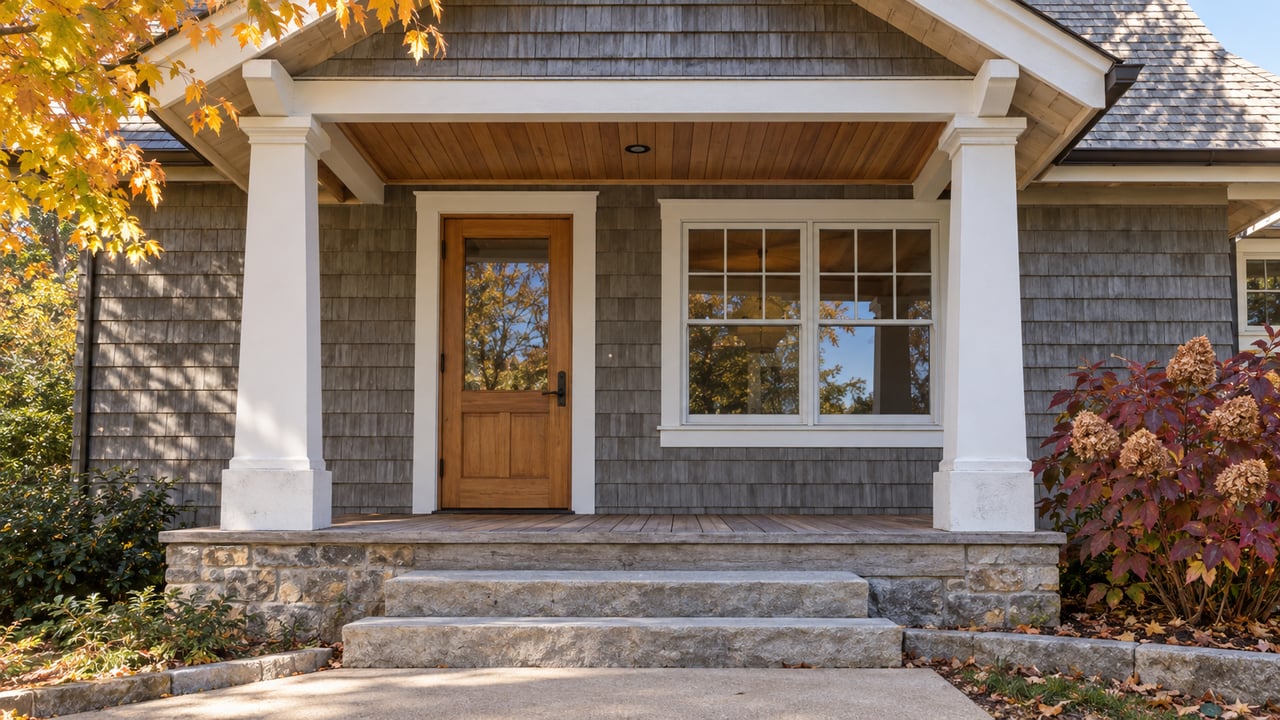
Older cottages are part of the area’s charm. Expect smaller footprints, single‑story or 1½‑story plans, and cozy layouts often near the beach and public piers. Many were built for seasonal use, so you may encounter older insulation, electrical panels, plumbing, and smaller kitchens or baths. A renovation plan can unlock year‑round comfort while preserving character.
Common checks include potential lead paint or older materials, electrical and heating updates, foundation and floor framing, septic versus municipal sewer, and the age or condition of any shoreline work. Budget for modernization if winter living is the goal.
Newer homes
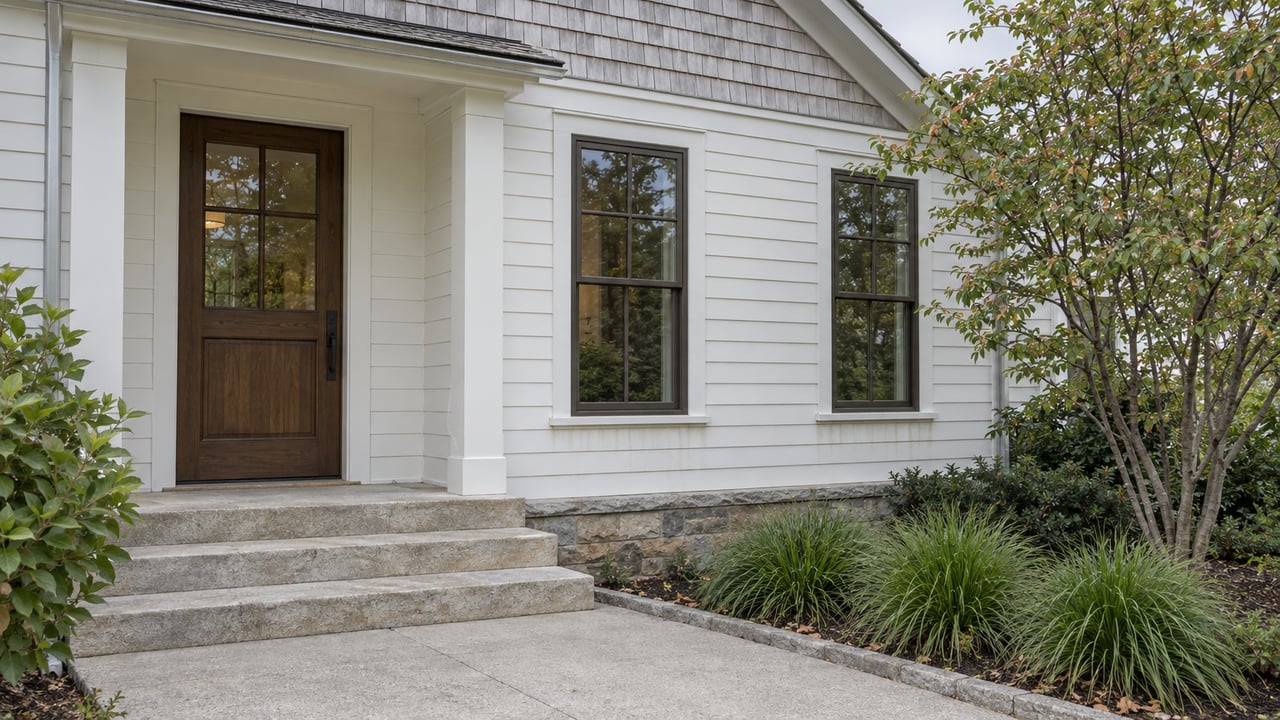
Newer builds and major renovations deliver modern envelopes, stronger insulation, and contemporary systems like updated HVAC and efficient windows. These homes are typically ready for year‑round occupancy and come with larger kitchens and gathering spaces for hosting. You will likely pay a premium, and any new dock or seawall changes still require permits and expert review.
Lot and shoreline traits
Waterfront type is the single biggest driver of lifestyle and maintenance. Orientation, dune presence, shoreline stabilization, lot width, and grade all affect privacy, usable beach, and erosion risk. Utility connections also matter. Newer or infill parcels are more likely to have municipal services, while older cottages may rely on well and septic.
Boating, marinas, and beaches
Marinas and slips
You can enjoy two distinct boating worlds here: open Lake Michigan and protected Lake Macatawa. If you value an assigned slip, fuel, and on‑site service, focus on Lake Macatawa properties or proximity to marinas and yacht clubs. Slip availability can be tight in peak season, and membership or waitlists may apply, so confirm policies early in your search.
Winter storage
Most owners arrange winter haul‑out and storage with local marinas or private yards. Services include shrink‑wrapping, engine winterization, and storage options that vary by boat size and timing. Plan ahead to secure your preferred schedule and pricing.
Public beaches and park access
Holland State Park and the pier near Big Red are popular access points with heavy summer use. Expect entrance and parking fees at state parks and lively crowds during peak weekends. Some neighborhoods maintain private beach associations or limited easements, which can offer a more private experience.
Permits, shoreline, and rights
Waterfront ownership in Michigan comes with riparian or littoral rights, which provide certain access benefits. Construction and repairs along the water often require permits. Shoreline structures such as docks, piers, bulkheads, and seawalls may trigger reviews by state and federal authorities, along with local zoning.
If a property has an existing seawall or stabilization project, verify its age, condition, and permitting history. For future work, engage the appropriate environmental and engineering professionals early. This keeps your plans aligned with regulations and budget realities.
Year‑round use and costs
Seasonal vs year‑round upgrades
Many cottages were built for summer. To live comfortably year‑round, plan for upgrades like higher‑capacity HVAC, better insulation, and double‑pane or storm windows. You may also need electrical panel updates or targeted foundation and wall work. These changes can make a dramatic difference in winter comfort and operating efficiency.
Utilities and services
Confirm how each address handles trash pickup, mail delivery, and snow removal, since service levels vary by jurisdiction and road type. Internet options also matter if you work remotely or stay for extended periods. For septic systems, obtain inspection records and plan for maintenance or replacement if you intend year‑round occupancy.
Insurance and flood risk
Some waterfront parcels fall within FEMA‑mapped flood zones. Ask for an elevation certificate if available and get multiple quotes for homeowners and flood insurance. Policies on lakefront homes can carry higher deductibles or special terms related to wind, surge, and erosion.
Budget snapshot
In addition to mortgage and taxes, plan for utilities, insurance, flood coverage if required, marina slip fees or winter storage, septic maintenance if applicable, routine shoreline upkeep, and any HOA or beach association dues. Build a cushion for shoreline projects or code‑driven updates that surface during inspections.
Market segments and value drivers
- Entry cottage segment: Smaller, often older cottages near beaches. Attractive for weekenders seeking charm and value, with renovation likely.
- Mid‑market waterfront homes: Renovated or newer properties with modern amenities. Popular with frequent weekenders and families, often with easier dock or marina access.
- Luxury and estate: Larger parcels with privacy, premium finishes, and deep‑water docks where allowed. Limited inventory and premium pricing.
Primary value drivers include waterfront type, private beach or dock access, lot size and orientation, age and condition, year‑round capability and utilities, and proximity to parks, marinas, and services. Rules and recorded easements can also influence value. Inventory is limited, so well‑positioned homes can attract strong interest, especially around summer weekends and holidays.
Smart due diligence checklist
- Verify the exact municipality for zoning, building codes, and rental rules.
- Obtain FEMA flood zone status and an elevation certificate if available; get flood quotes early.
- Confirm sewer and water connections or well and septic history; order a septic inspection and well flow test.
- Inspect shoreline condition, including seawall or bulkhead age and any prior permits.
- Complete a thorough structural and systems review: foundation, roof, HVAC, electrical, and insulation levels.
- Order a survey and title review to confirm boundaries, riparian rights, easements, and deed restrictions.
- Verify dock and slip rights, transferability, and marina waitlists.
- Review HOA or beach association documents, dues, rules, and rental language.
- Obtain homeowners, wind, and flood insurance quotes before finalizing terms.
- Confirm internet speeds, trash pickup, and winter road maintenance.
How we help second‑home buyers
If you are deciding between a vintage cottage near the pier or a turnkey home with protected docking, local guidance is essential. Our team specializes in Macatawa and the broader Holland waterfront, with a process built for out‑of‑area buyers and weekend timelines. We connect you with the right inspectors, shoreline and marina experts, and local offices so you can move with clarity and confidence.
When you are ready to compare neighborhoods, dock options, or specific addresses, reach out to Michigan Homes and Cottages for calm, concierge‑level support. Request your complimentary lakeshore marketing plan and take the next step toward your West Michigan retreat.
FAQs
How long is the drive from Chicago to Macatawa?
- Typical drive time is about 2.5 to 3 hours depending on origin and traffic, with I‑94 as the main route for most buyers.
Which is better for boating: Lake Michigan or Lake Macatawa?
- For deep‑water slips and marina services, Lake Macatawa is usually more convenient; for open beach, waves, and sunsets, direct Lake Michigan frontage stands out.
Can I use an older cottage year‑round in Macatawa?
- Many historic cottages were built for seasonal use; plan for upgrades like insulation, improved HVAC, and window enhancements to ensure winter comfort.
Do I need permits for a dock or seawall on Lake Macatawa?
- Most shoreline structures require permits, and projects may involve state, federal, and local reviews; confirm requirements before planning work.
Are short‑term rentals allowed in the Macatawa area?
- Rules vary by municipality and any HOA or beach association; verify the specific jurisdiction and governing documents for a given property.
What ongoing costs should I budget as a second‑home owner?
- Plan for utilities, property taxes, homeowners and flood insurance, marina slip or storage, septic maintenance if applicable, shoreline upkeep, and association dues if present.