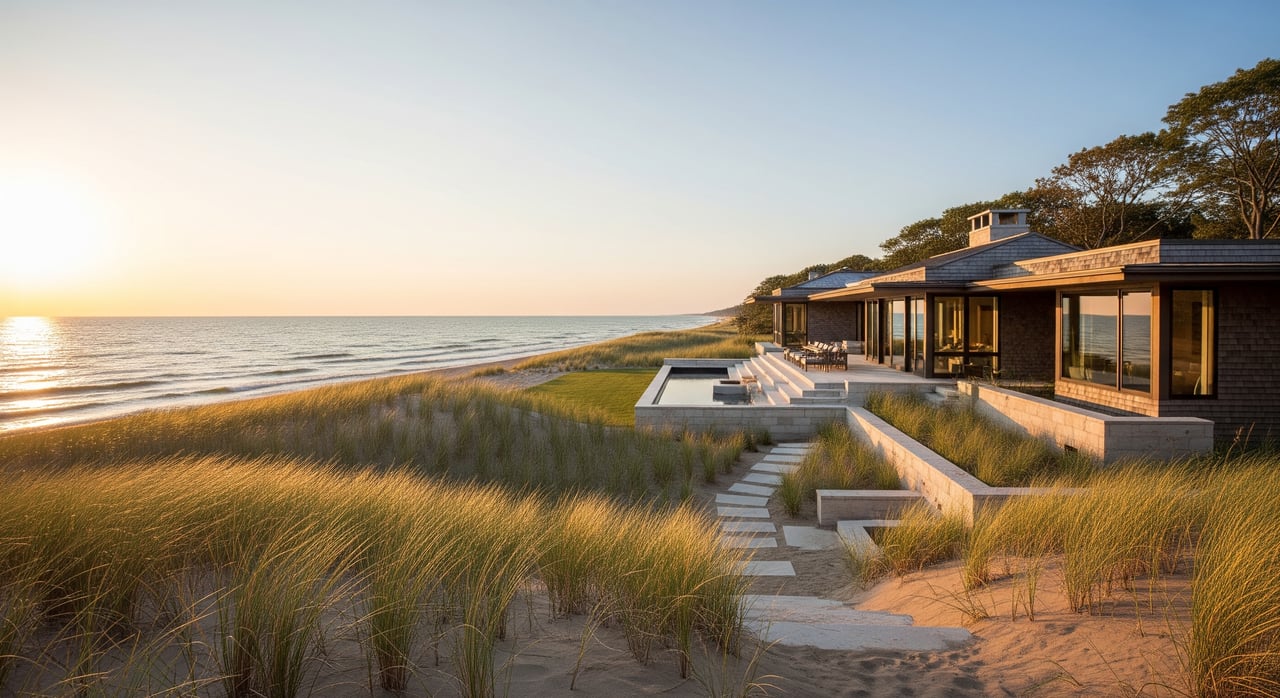
Imagine waking up to the sound of waves, stepping onto a deck that looks toward dune grass and sky, and following a sandy path to Lake Michigan. If you are picturing quiet mornings, golden light, and a short drive to Saugatuck’s galleries and restaurants, Dunegrass may already feel familiar. Buying here is about lifestyle as much as it is about a house, and the more you understand the rhythms and responsibilities of lakeshore living, the better your experience will be. In this guide, you will learn what ownership feels like in Dunegrass, the types of homes and lots you will find, the seasonal cadence, and the due diligence steps that help you buy with confidence. Let’s dive in.
Where Dunegrass sits
Dunegrass, also known as The Preserve at the Lakeshore, is a private lakeshore development set on the Lake Michigan shoreline near Saugatuck. The setting blends sandy beach, low bluff dunes, and wooded parcels as you move away from the water. The community highlights shoreline and dune preservation, nature trails, and private access to the lake.
You are within an easy drive of downtown Saugatuck and Douglas for dining, galleries, and marinas. Seasonal visitor patterns, including activity around the historic chain ferry and riverfront parking, shape how busy it feels in summer. For regional trips, Gerald R. Ford International Airport in Grand Rapids is about a 40 to 60 minute drive, and Chicago is roughly 2.5 to 3 hours by car.
Homes and lots
Dunegrass ownership covers a range of home styles and settings. What they share is a focus on the lakeshore and the landscape.
Lakefront and dune-edge homes
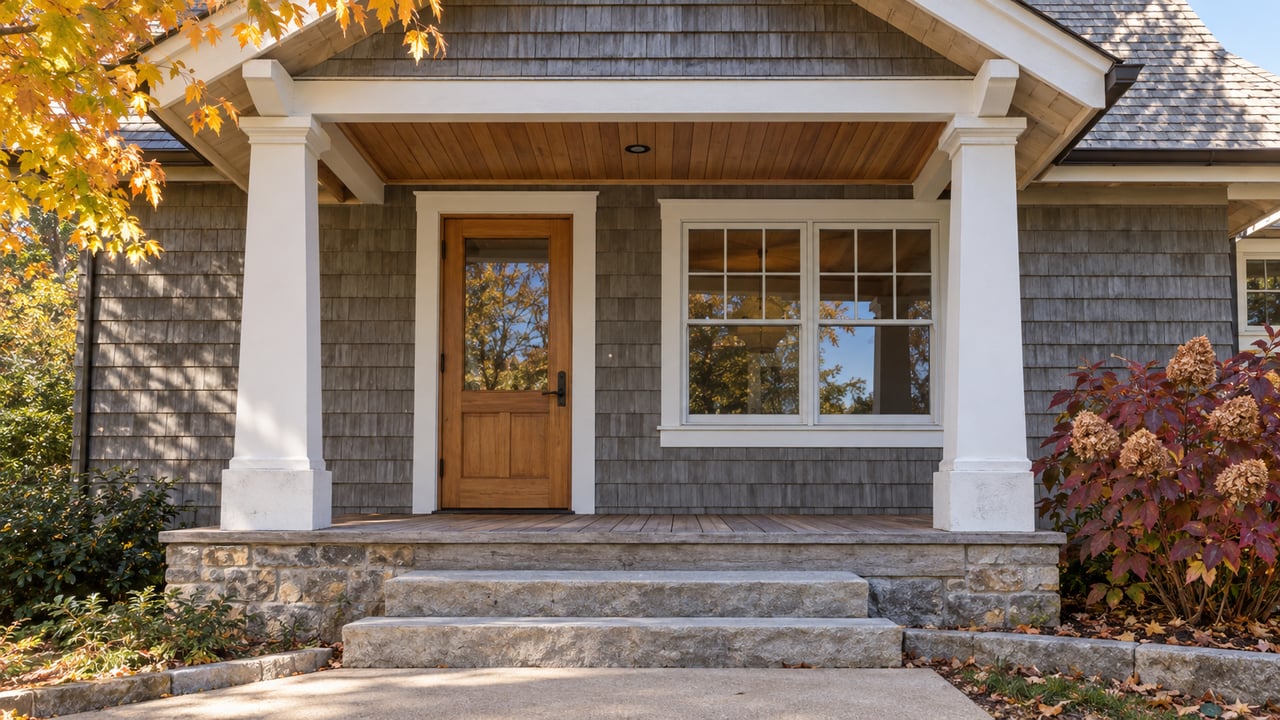
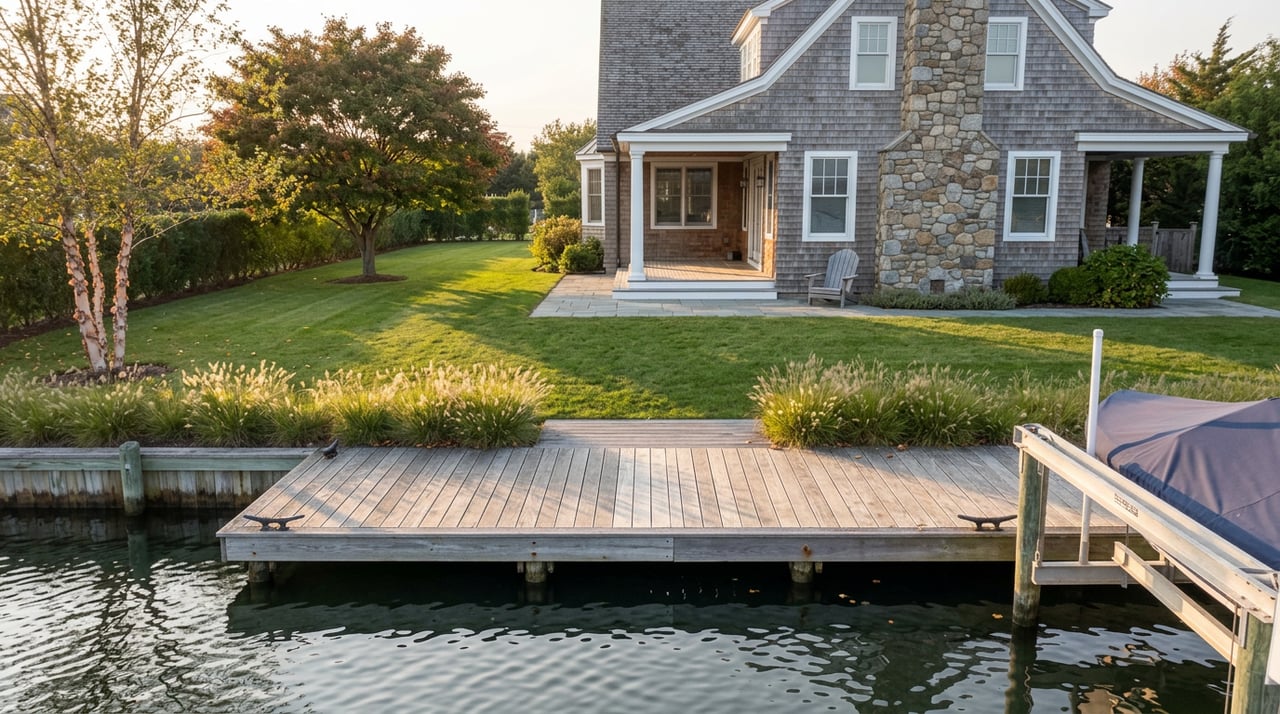
Along the water, you will see classic cottages and modern lake houses with large windows and decks facing the lake. Some sit on low bluffs or dune lots where owners use stairs or pathways down to the beach. Elevated or reinforced foundations may appear on bluff or near-shore sites that plan for erosion or storm exposure.
Wooded interior parcels
A short distance inland, wooded lots offer privacy and a quieter feel. These homes often enjoy trail access to shared shoreline areas rather than direct frontage. If you like a natural setting and lower exposure to wind and salt spray, interior parcels can be a strong match.
Materials and durability
Lakeshore homes contend with wind, moisture, and sand. Durable exterior materials such as stain-treated wood, fiber-cement siding, composite decking, and corrosion-resistant metal fasteners are common. Roofs often use metal or high-quality architectural shingles rated for strong winds. When you tour homes, ask about the age and maintenance of exterior finishes and any recent updates designed for coastal conditions.
Layouts and everyday function
Expect open-plan main levels that frame water views, plus generous decks or patios for outdoor living. Many homes include mudroom entries for sandy gear, and split or multi-level designs that follow the dune topography. Seasonal cottages may have simpler mechanical systems, while full-time residences tend to feature upgraded insulation, HVAC, and winterization.
Architectural guidelines
Private lakeshore communities often include architectural review and design controls to protect the dune and shoreline character. You should plan to review design guidelines for height, rooflines, exterior colors, and landscape rules. Covenants may address maintenance for dune vegetation, private stairs, and shared trails. Confirm whether beach stairways are individual owner responsibilities or maintained by the HOA.
Lifestyle by season
Life at the lake changes throughout the year. Knowing the cadence helps you plan your visits, maintenance, and hosting.
Summer
Summer is peak season. You will find high activity on the beach and nearby marinas, plus full calendars in Saugatuck with art fairs and live events. Trails and shoreline access see the most use, and parking or ferry-related activity in town can feel busy at peak times. If you enjoy entertaining, this is the centerpiece season.
Fall
Fall quiets down and turns spectacular with color and sunsets. Many owners extend usage into shoulder months for mild weather, walks, and photography. It is a great time to tackle exterior maintenance and plan winterization while contractors have more availability.
Winter
Winter brings cold winds off the lake, snow, and low occupancy. Some owners close seasonal homes. Full-time residents plan for snow removal on private roads and steps to protect pipes and mechanical systems. Winter storms can impact stairs and boardwalks, so it is smart to check on shoreline access after major weather.
Spring
Spring can be stormy with shifting sand and lake-effect winds. Use this season to assess dune conditions, verify any post-winter repairs, and schedule shoreline or vegetation work as allowed by regulations. It is also a good time to review insurance and service plans before summer.
Amenities and HOA
Dunegrass promotes a preserve-style setting focused on nature and access to Lake Michigan. In similar lakeshore preserves, common amenities may include private beach access, boardwalks or stairs, nature trails, and conservation or dune restoration efforts. Some communities also offer gathering spaces or storage for kayaks and beach gear, and owners often rely on nearby public marinas for larger boats.
The homeowners association is central to the experience. When you evaluate a property, ask for:
- Annual assessment details and what is covered, such as common-area insurance, trail and beach maintenance, private road snow removal, and reserves.
- A recent reserve study and a list of capital needs, like dune stabilization, stair replacement, or road repairs.
- A history of special assessments and timing of large projects.
- Rules for rentals and guest use. Some lake communities limit short-term rentals, while others allow them with restrictions.
- Insurance for common amenities and liability considerations related to beach access.
Request governance documents upfront. These typically include CC&Rs, bylaws, articles of incorporation, current budget and financials, recent meeting minutes, and architectural guidelines with the permit application process.
Buyer due diligence
Buying in a dune and shoreline environment is different from a typical suburban purchase. A careful process protects your lifestyle and your investment.
Access, easements, and privacy
Verify beach access type and location. Some lots have deeded frontage, while others use shared paths. Confirm recorded easements, lot lines, setbacks, and any public access corridors that could affect privacy or use. Ask the HOA or listing agent to clarify how beach and trail use is managed.
Flood risk, elevation, and insurance
Check the property’s flood zone designation and, when relevant, obtain an elevation certificate for buildings. Get insurance quotes that reflect lakeshore exposure, including windstorm and potential flood coverage. Ask sellers for a history of storm-related claims and recent measures taken for shoreline or bluff stabilization.
Shoreline and dune management
Michigan and local agencies regulate shoreline and dune work. Before you plan stairs, vegetation removal, or structural projects, confirm permitting requirements and who is responsible for maintenance. Ask about recent or planned dune stabilization and any associated costs that may flow through the HOA.
Utilities and connectivity
Private lakeshore developments may use wells and septic systems. Verify the system type, capacity, and inspection or pump records. If public water or sewer is available, confirm your connection status and fees. Internet and cellular service can vary, so check providers and speeds if you plan to work from home.
Taxes and operating costs
Review Allegan County assessment history for the parcel, along with HOA dues and typical utility bills. Budget for snow and ice removal, landscaping, and seasonal shoreline maintenance. If you intend to rent, research local rules on transient occupancy and enforcement.
Inspections to prioritize
Order a full home inspection that includes HVAC and insulation. Add a structural assessment that pays close attention to bluff-facing exposures and foundation design. For properties with septic and well, schedule inspections and water testing. A survey and, when needed, an elevation certificate help with setbacks and insurance. Consider a shoreline or dune specialist if you are evaluating an eroding bluff lot.
Everyday living nearby
Living near Saugatuck means you can fill your days on the beach, on the water, or in town. Swim, sunbathe, or beachcomb along Lake Michigan. Enjoy boating and fishing, with larger vessels served by nearby marinas in Saugatuck and Douglas. Walk nature trails for birding and photography, and look for volunteer days focused on dune restoration and plant protection.
In town, explore art galleries, dining, craft breweries, and seasonal festivals that keep the calendar lively. Popular regional parks and beaches, including Oval Beach, the Saugatuck Dunes area, and Holland State Park, sit within a short drive. This mix of nature and culture is a big reason owners choose the area for second homes, retirement, or year-round living.
Is Dunegrass for you?
Dunegrass tends to attract a thoughtful mix of second-home buyers, weekenders, retirees, and families who value access to Lake Michigan and a preserve-style setting. You should be comfortable with HOA guidelines designed to protect dune character and shoreline health. If you want trail access, a quiet wooded parcel, or a home with big west-facing windows and a deck for sunsets, you will likely find a match.
The lifestyle rewards planning. Visit during different seasons, walk the beach and trails, and study HOA documents before you write an offer. With a clear view of access, insurance, utilities, and maintenance, you can enjoy the lake life you came for.
Quick buyer checklist
- Visit the community in peak summer and in winter.
- Obtain CC&Rs, bylaws, budget, reserve study, and recent meeting minutes.
- Confirm shoreline access type, setbacks, and any easements.
- Order a survey, home inspection, structural review, septic inspection, and water test.
- Review flood maps, consider an elevation certificate, and get insurance quotes.
- Ask about recent shoreline work, dune stabilization, and stair maintenance.
- Verify utilities and internet options for year-round use.
- Review assessed value and tax history; confirm HOA dues and any special assessments.
If you are ready to take the next step, connect with a team that knows the Lakeshore and the nuances of dune and shoreline properties. Reach out to Michigan Homes and Cottages to explore listings, timing, and a plan that fits how you want to live.
FAQs
Does Dunegrass have private beach access?
- Many owners in preserve-style lakeshore communities use HOA-maintained access points; confirm whether a specific lot has deeded frontage or shared access.
Are short-term rentals allowed in Dunegrass?
- Policies vary by HOA and township; review the CC&Rs and local ordinances before assuming any rental strategy.
How far is Dunegrass from Chicago and Grand Rapids airport?
- Plan for about 2.5 to 3 hours by car to Chicago and roughly 40 to 60 minutes to Gerald R. Ford International Airport in Grand Rapids, depending on traffic.
How vulnerable is the shoreline to erosion near Saugatuck?
- Lake Michigan shorelines experience cycles tied to storms and water levels; review recent shoreline work and ask the HOA about long-term stabilization plans.
Is Dunegrass practical for full-time living?
- Many owners live year-round in similar lakeshore communities; verify winter road maintenance, internet reliability, and service providers to support daily life.
What inspections are most important for a Dunegrass home?
- In addition to a full home inspection, prioritize structural review, septic inspection and well testing, a survey, and shoreline or dune specialists where relevant.