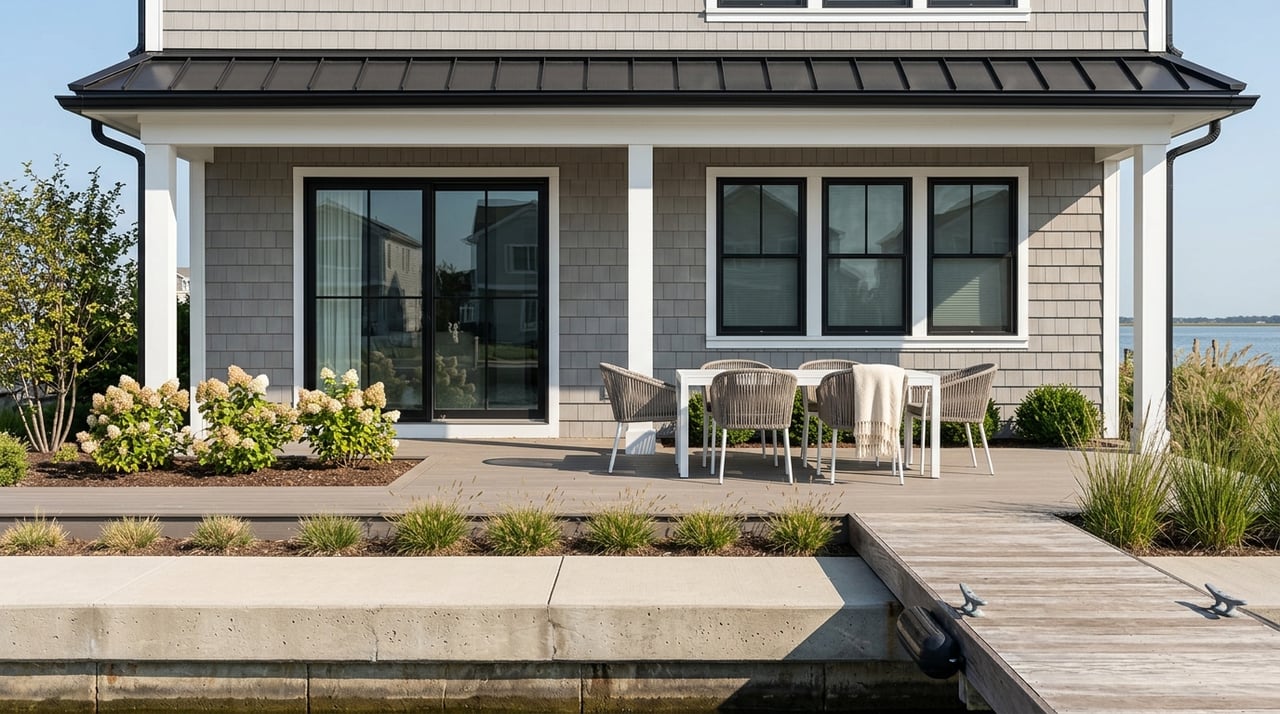
Wondering what waterfront living in Muskegon really looks like? The answer is more layered than many buyers expect. Instead of one continuous stretch of shoreline, Muskegon offers a mix of lakefront districts, marina access, downtown-adjacent neighborhoods, and beach-oriented areas that each create a different way to enjoy the water. If you are considering a move, a second home, or a lifestyle-focused purchase here, this guide will help you understand how Muskegon’s waterfront areas fit together and what day-to-day life can feel like. Let’s dive in.
How Muskegon Waterfront Living Is Set Up
Muskegon’s waterfront is best understood as a collection of districts around Muskegon Lake, the channel, and Lake Michigan. According to the City of Muskegon neighborhood overview, areas like Nims, Lakeside, Beachwood-Bluffton, and Nelson each connect to the water in a different way.
That variety matters when you start your home search. Some areas feel more tied to marinas and boating, while others place you closer to downtown, trails, beaches, or older residential streets. In other words, Muskegon does not offer a one-size-fits-all waterfront experience.
A long-term city waterfront planning document also helps explain why the area feels unique today. Much of the shoreline was historically shaped by industrial and port uses, and the city has been working toward more public access and mixed-use redevelopment along the water. That ongoing shift is part of what makes Muskegon stand out within West Michigan.
Key Waterfront Districts to Know
Nims
Nims sits near downtown and includes many older homes as well as Hartshorn Municipal Marina. If you want a location that blends residential character with direct boating infrastructure, this area is worth a closer look.
Its position also gives you practical access to downtown destinations while keeping Muskegon Lake part of your everyday backdrop. For buyers who want both convenience and water proximity, that can be an appealing balance.
Lakeside
Lakeside is on the north side of Muskegon Lake and is known for its bike path, the renovated Grand Trunk Car Ferry Dock, and small shops. The area tends to appeal to buyers who want neighborhood character paired with easy access to waterfront amenities.
It also connects well to some of the lifestyle elements people often picture when they think about lakeshore living. You can enjoy the water without feeling removed from local businesses and activity.
Beachwood-Bluffton
Beachwood-Bluffton spans Muskegon Lake, the Muskegon Lake Channel, and Lake Michigan. That broader geography gives it a distinctly water-oriented identity and puts multiple shoreline environments within reach.
If your ideal setting includes access to both inland lake activity and Lake Michigan scenery, this part of Muskegon deserves attention. It offers a different feel than the downtown-adjacent districts.
Nelson
Nelson includes downtown, Heritage Landing, Muskegon Lake shoreline, and the 3rd Street and West Western corridors. The city describes downtown as increasingly mixed-use, walkable, and oriented toward living, working, and recreation in the same area.
For buyers who want a more urban waterfront lifestyle, Nelson may be especially relevant. It brings together shoreline access, event spaces, dining, and redevelopment momentum in one part of the city.
What Types of Waterfront Homes You’ll Find
One of the biggest misconceptions about Muskegon is that waterfront housing is all large shoreline homes. In reality, the market includes a wider mix of property types, and that mix is expanding.
Historic lake-adjacent neighborhoods such as Nims and Lakeside still lean toward older single-family homes, based on the city’s neighborhood information. At the same time, planning documents show that direct waterfront housing has historically been dominated by larger detached homes, with fewer condos and apartments right at the water’s edge.
That pattern is beginning to change. A 2025 city commission packet describes Highpoint Flats and Terrace Point Landing as the first market-rate housing developments in downtown Muskegon in more than 30 years. The same packet also outlines the Shaw Walker redevelopment, which would add rehabbed condo units, new for-sale housing, and new rental apartments.
For you as a buyer, that means Muskegon waterfront living may offer more options than expected, including:
- Older single-family homes near the lake
- Downtown-adjacent housing near trails and restaurants
- Emerging condo and townhome-style opportunities in redevelopment areas
- Apartment living in denser urban nodes
The Nelson neighborhood packet gives a helpful snapshot of this broader mix. It reports a combination of owner-occupied homes, rentals, apartment complexes, and redevelopment on vacant parcels, reinforcing the idea that waterfront living here can be more flexible and more urban than many buyers assume.
Marina and Boating Access
If boating is central to your lakeshore lifestyle, Muskegon offers a strong public-access framework. The city says there are four ramps on Muskegon Lake, and city launch ramps can accommodate boats up to 30 feet. Yearly passes are required.
Hartshorn Charter Marina is a major feature for boaters because it is the only publicly owned marina on Muskegon Lake. It offers seasonal and transient docking, moorings, launch ramps, showers, power, water hookups, and additional services that support regular use throughout the boating season.
That kind of infrastructure can shape your housing decision. If you want easy dock access, storage convenience, or a practical launch routine, living near marina-focused areas may be more important than simply being close to the shoreline.
Beach Access and Summer Logistics
For many buyers, waterfront living is not just about boats. It is also about beach days, sunset walks, and easy access to Lake Michigan. Muskegon delivers on that front, but it helps to understand how seasonal access works.
From May 15 through September 15, visitors need a parking pass at Pere Marquette Beach, Margaret Drake Elliot Park, Kruse Park, and Harbour Towne Beach, according to the city’s beach parking pass information. City households receive two free passes each year.
The city also launched a weekend beach shuttle in summer 2025 to connect downtown, beach parks, and lakeshore destinations. For you, that says something important about local life: summer energy is a real part of Muskegon’s waterfront identity, and the city actively manages access and circulation during the busiest months.
Trails and Outdoor Access
One of Muskegon’s strongest everyday lifestyle features is the Muskegon Lakeshore Trail. The trail runs about 12 miles along Muskegon Lake and provides pedestrian access to maritime attractions, dining spots, and seasonal festivals while also connecting to larger regional trail systems.
That adds a major quality-of-life layer for waterfront residents. Depending on where you live, you may be able to build walks, bike rides, and lake views into your daily routine rather than saving them for weekends.
The city is also studying changes to Shoreline Drive to improve safety and strengthen connections between downtown neighborhoods and the waterfront. That effort reflects a broader local push toward more walkable access to the lake.
Beyond the city center, Muskegon State Park expands the outdoor picture even more. The park includes three miles of shoreline, frontage on both Lake Michigan and Muskegon Lake, Snug Harbor, trails, a boat launch, and access to the navigation channel.
Downtown Amenities Near the Water
A big part of Muskegon’s appeal is that waterfront living here is not isolated. You are not choosing between urban convenience and lake access as often as you might in other markets.
The city’s attractions overview highlights destinations such as Aquastar cruises, the Lake Express ferry to Milwaukee, historic museum ships, two lighthouses, the Muskegon Farmer’s Market, the Western Market Chalets, the VanDyk Mortgage Convention Center, and Trinity Health Arena. Downtown also includes major cultural anchors like the Frauenthal Center and the Muskegon Museum of Art, which opened its Bennett Schmidt Pavilion expansion in 2025.
Events add to that momentum. The city reported that the 2025 Lakeshore Art Festival brought nearly 250 juried artists and crafters into downtown Muskegon, reinforcing how active the core can feel during the season.
If you enjoy dining near the water, Visit Muskegon also notes that waterfront dining is easy to find and specifically highlights The Deck at Pere Marquette, The Lake House Waterfront Grille, and Lake Bluff Grille, as referenced through the city’s attractions and event resources. For many buyers, this mix of shoreline scenery and downtown activity is a big part of the draw.
Getting Around From the Waterfront
Muskegon is still a car-friendly city, but it offers more transportation flexibility than some buyers expect. According to the city’s parking and transportation page, Muskegon has plentiful free parking and public transportation options.
MATS provides daily service as well as senior transit, microtransit, and trolley service from its Morris Avenue terminal. The Lake Express ferry in Lakeside reaches Milwaukee in about 2.5 hours, and Muskegon County Airport is near the US-31 and I-96 junction with 14 weekly flights to Chicago O’Hare.
For everyday living, many waterfront buyers still prefer having a car for regional movement. But for leisure, events, and select errands, certain parts of Muskegon offer a more connected and walkable lifestyle than you might expect.
Who Muskegon Waterfront Living Fits Best
Muskegon can work well for several kinds of buyers because the city offers more than one version of lake life. Your best fit often depends on how you want to spend your time.
You may be drawn to Muskegon if you want:
- A marina-oriented lifestyle with practical public boating access
- A historic neighborhood near the water
- A downtown setting with trails, dining, and event access
- A beach-and-lake mix that includes both Muskegon Lake and Lake Michigan
- A growing market with more housing variety than a traditional shoreline town
In short, Muskegon feels like a compact Great Lakes city with neighborhood-specific choices. That combination of historic housing, marina infrastructure, public waterfront access, and redevelopment activity is what gives the market its distinct identity.
If you are exploring waterfront homes in Muskegon or comparing lakefront communities along West Michigan’s shoreline, Michigan Homes and Cottages can help you make sense of the options and find the setting that best matches your lifestyle goals.
FAQs
What makes Muskegon waterfront living different from other West Michigan lake towns?
- Muskegon offers a mix of historic neighborhoods, marina access, downtown amenities, trail connections, and both Muskegon Lake and Lake Michigan access, rather than a single shoreline experience.
What types of homes are available near the Muskegon waterfront?
- Buyers can find older single-family homes, downtown-adjacent housing, apartments, and an emerging mix of condos and other redevelopment-driven residential options.
What boating access does Muskegon offer for waterfront residents?
- The city has four ramps on Muskegon Lake, accommodates boats up to 30 feet at city ramps, and offers seasonal and transient docking plus services at Hartshorn Charter Marina.
What should buyers know about Muskegon beach access in summer?
- From May 15 to September 15, parking passes are required at several beach parks, and the city also uses seasonal transportation tools like a weekend beach shuttle to help manage access.
Is downtown Muskegon walkable from waterfront areas?
- In some districts, yes. Downtown Muskegon is increasingly mixed-use and walkable, and the Lakeshore Trail helps connect residents to waterfront attractions, dining, and events.