Dreaming about a Lake Michigan lifestyle, but want a place that feels more personal than a big resort town? Douglas offers a rare mix of waterfront access, village charm, and everyday livability. If you are thinking about buying a lake home here, this guide will help you understand how Douglas feels, what kinds of homes you may find, and how to narrow your search with confidence. Let’s dive in.
Why Douglas Stands Out
Douglas is a compact river-and-lake community along the Kalamazoo River with access to Lake Michigan. It shares the Saugatuck-Douglas Art Coast identity, which means life here is shaped by beaches, boating, dining, and the arts. At the same time, it is not just a seasonal destination. The area has long balanced resort living with year-round residential use.
That balance is a big part of Douglas’s appeal. You can enjoy a lake-town setting with a true village core, rather than a place built only around tourism. For many buyers, that makes Douglas feel both relaxing and practical.
Douglas Lifestyle at a Glance
If you picture a day that starts with coffee downtown, moves into time on the water, and ends with dinner near the river, Douglas fits that image well. The community is closely tied to waterfront recreation and a walkable local business district. That creates a lifestyle that feels active, scenic, and easy to enjoy.
The town also feels connected in ways that matter when you own a second home or plan to spend extended time here. Public planning materials show ongoing attention to waterfront access, trail connections, and walkability. In other words, the features that draw buyers here are also civic priorities.
Walkability and Local Access
Downtown Douglas is designed around easy navigation, with a downtown map and a compact core. Local sources describe both downtown Douglas and downtown Saugatuck as walkable, with galleries, boutiques, coffee shops, and restaurants clustered together. The towns are connected by a marked pedestrian-friendly route that takes about 30 minutes on foot and includes water views.
For buyers, that means you can think beyond your property lines. In the right location, a home here can support a lifestyle where you walk to dinner, browse galleries, or head out for a casual afternoon in town without relying on the car for every outing.
Water Is Part of Daily Life
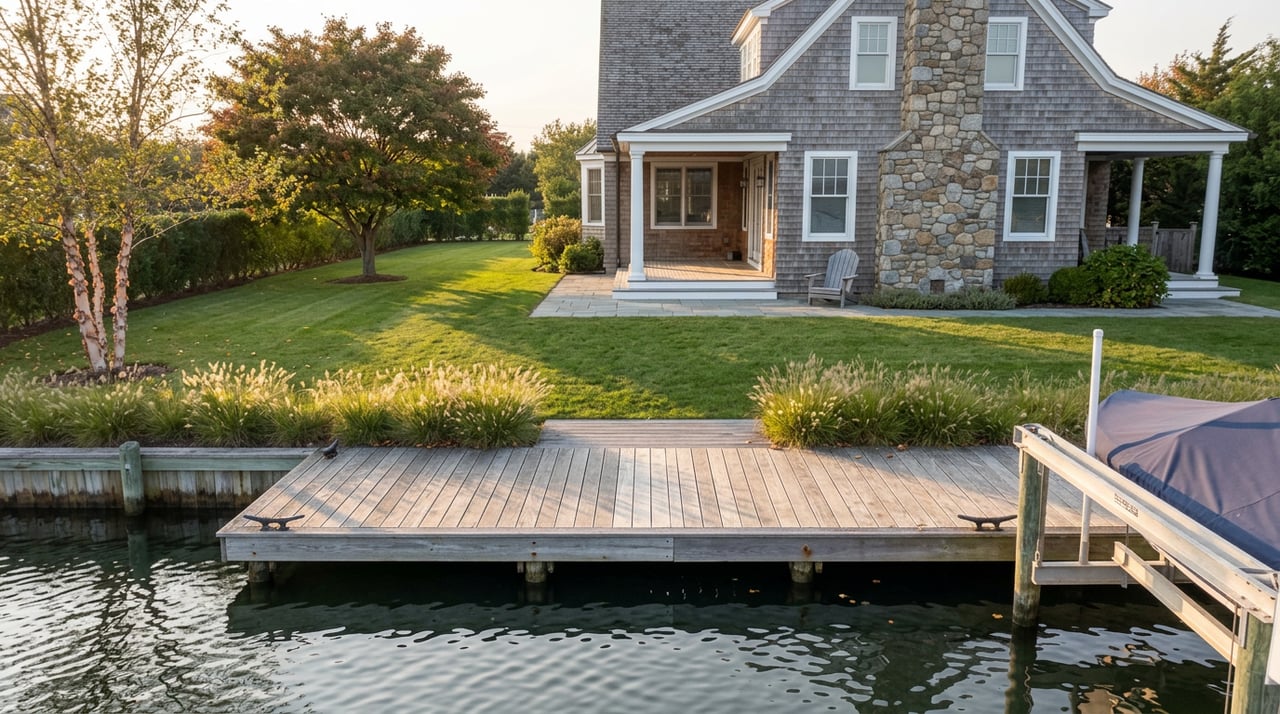
In Douglas, waterfront living is not just about the view. The city maintains boat launch areas at Schultz Park and Wade’s Bayou, and Wade’s Bayou includes a kayak launch, boat dock, paved trails, and gathering spaces. Douglas Marina also functions as a small municipal riverfront park and boating access point.
The broader tri-community parks plan notes that the area is highly accessible by water, with boating facilities on Kalamazoo Lake offering direct access to Lake Michigan. For future lake homeowners, that is important. It means boating and shoreline access are built into the local lifestyle.
Understanding Douglas Beach Options
One of the first questions many buyers ask is simple: what is the beach experience actually like here? In Douglas, the answer depends on the kind of setting you want.
Douglas Beach is generally described as the quieter neighborhood option. Current tourism and parks materials note its picnic area, restroom, tree-lined shoreline, and very limited free parking. That limited parking is useful context because it helps explain why the beach often feels more tucked away and neighborhood-oriented.
Nearby, Oval Beach offers another well-known Lake Michigan option in the same market area. Saugatuck Dunes State Park expands the range further with dune and state park beach access. For buyers, this means Douglas gives you access to several different shoreline experiences, from quieter neighborhood beach time to broader public beach outings.
Douglas Home Styles You May Find
Douglas has a richer architectural mix than many buyers expect. Because it retained much of its older village fabric, you can still see pre- and post-Civil War Greek Revival and Italianate buildings, along with later Arts and Crafts and Colonial Revival structures. That architectural variety gives the town a layered, established feel.
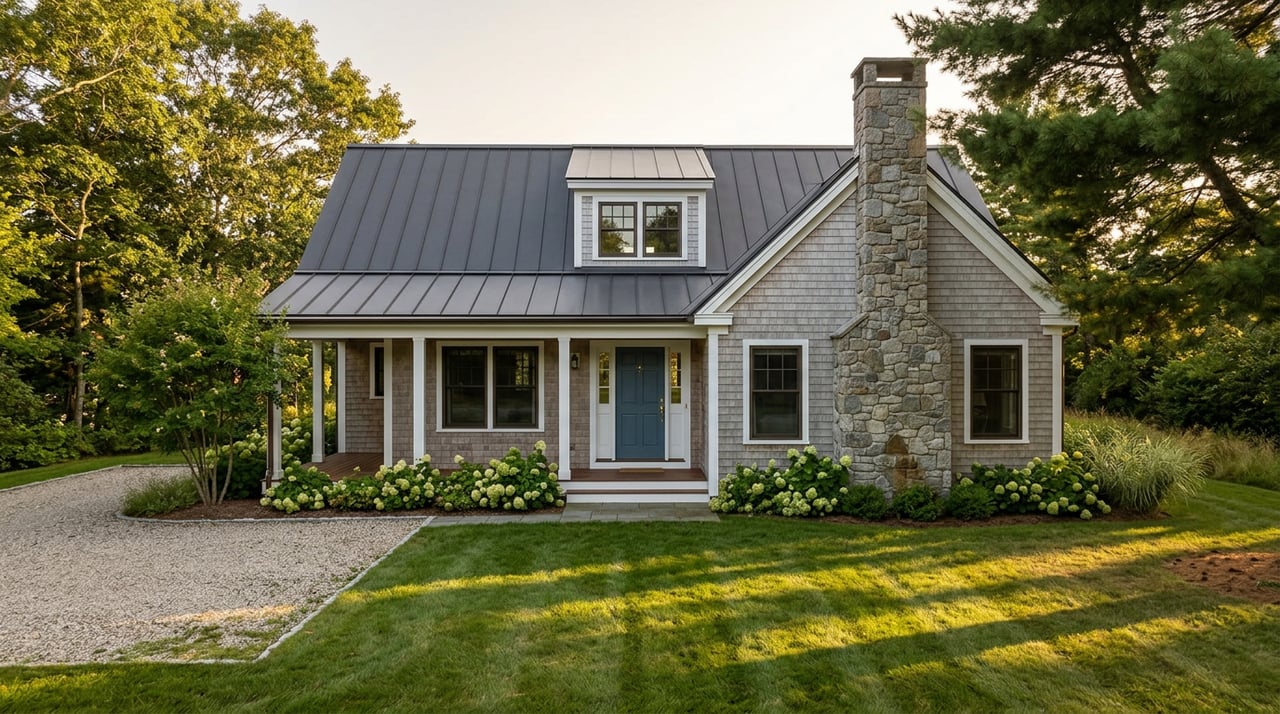
Along the lakeshore, the housing story shifts. City design materials point to Arts and Crafts cottages on Lakeshore Drive, the Shorewood cottage community, and other shoreline homes designed to fit the dune landscape. As a buyer, you may see everything from historic in-town homes to cottage-style waterfront properties and larger shoreline residences.
Historic Village Character
If you are drawn to homes with character, Douglas offers a strong sense of place. The local history and design record includes notable structures such as Douglas Union School, the restored Dutcher Lodge, the Lion House, and the Octagon House. Even if you are not shopping for a landmark property, these buildings help define the town’s visual identity.
That identity matters in day-to-day living. Streetscapes with older architecture, established blocks, and a preserved village feel can shape how a place feels long after the excitement of move-in day.
Cottage and Shoreline Appeal
For many future lake homeowners, the biggest draw is the shoreline lifestyle. In Douglas, that often means cottage architecture, tree-lined settings, and homes that relate closely to the surrounding dunes and water. The shoreline areas are part of the community’s long-standing resort and waterfront story.
This makes Douglas especially appealing if you want a home that feels tied to West Michigan’s classic lake culture. Depending on the property, you may find a more traditional cottage atmosphere or a larger home near the water with room for gathering and extended stays.
In-Town vs Near-Water Search Strategy
A smart way to approach Douglas is to decide whether you are most drawn to in-town living or near-water living. Both can be appealing, but they often support slightly different routines.
In-town buyers are often attracted to the Center Street and Blue Star corridor, Beery Field, Wade’s Bayou, and the walkable downtown core. If you want easy access to shops, dining, local events, and a village feel, these areas may match your priorities.
Near-water buyers often focus on Lakeshore Drive, Douglas Beach, Douglas Marina, and cottage-style shoreline settings such as Shorewood. If your vision centers on beach proximity, boating, and a stronger waterfront feel, this side of the search may make more sense.
Questions to Ask Yourself
Before you start touring homes, it helps to get clear on how you want to spend your time in Douglas. Ask yourself:
- Do you want to walk to coffee shops, galleries, and restaurants?
- Is beach access more important than being near downtown?
- Do you expect to boat, kayak, or spend time at launches and marinas?
- Are you drawn to historic village homes or shoreline cottages?
- Will this be a second home, seasonal retreat, or primary residence?
These answers can shape your search more than square footage alone. In a place like Douglas, lifestyle fit is often just as important as the home itself.
Why Douglas Feels Connected
Some lake towns can feel beautiful but isolated. Douglas tends to feel different. It is connected by foot, bike, water, and roadway, and public planning materials show ongoing investment in waterfront and trail access.
Projects and planning references include the Douglas Waterfront Public Marina Plan, Blue Star planning documents, a Blue Star Trail project, and a Bayou Trail connection from Wade’s Bayou to Douglas Beach. For buyers, that signals something valuable: access and mobility are part of the community’s long-term vision.
Who Often Loves Buying in Douglas
Douglas tends to appeal to buyers who want more than just a house near the water. It can be a strong fit if you are looking for a second home with a sense of place, a lifestyle move with walkability and culture, or a legacy property that feels rooted in West Michigan’s lakeshore story.
It also works well for buyers who value variety. You can enjoy a quiet beach setting, boating access, downtown dining, and a well-known arts corridor within one connected area. That combination is not always easy to find.
What to Keep in Mind as You Search
When you look at homes in Douglas, it helps to think in layers. Start with location within the community. Then consider how close you want to be to the beach, downtown, boating access, or the Saugatuck connection.
After that, focus on the kind of property experience you want. Some buyers want a cottage feel with easy lake access. Others want a home near the village core that makes everyday outings simple. The right match usually comes from understanding your lifestyle goals first, then narrowing to the right part of Douglas.
If you are considering a purchase here, local guidance can make that process much smoother. Douglas is small, but the differences between in-town and near-water living can be meaningful when you are choosing the right lake home.
If you are exploring Douglas or other West Michigan waterfront communities, Michigan Homes and Cottages can help you find a property that fits the lifestyle you want with knowledgeable, personalized guidance.
FAQs
How walkable is Douglas for lake homeowners?
- Douglas is highly walkable in its downtown core, and Douglas and Saugatuck are connected by a marked pedestrian-friendly route that takes about 30 minutes on foot with water views.
What beaches are near homes in Douglas, Michigan?
- Douglas Beach is the quieter neighborhood beach, while nearby Oval Beach and Saugatuck Dunes State Park offer additional Lake Michigan beach access in the same market area.
Is boating part of everyday life in Douglas?
- Yes. City materials point to boat launches at Schultz Park and Wade’s Bayou, kayak access, marina access, and boating connections that support regular time on the water.
What kinds of homes can you find in Douglas?
- Buyers can find a mix of historic village homes, Greek Revival and Italianate buildings, Arts and Crafts cottages, Colonial Revival-era properties, shoreline cottages, and larger near-water homes.
Should you search in-town or near-water in Douglas?
- It depends on your lifestyle goals. In-town areas support walkability and access to downtown amenities, while near-water areas often appeal more to buyers focused on beach access, boating, and cottage-style shoreline living.