Wondering how to sell a family Lake Michigan cottage without losing what makes it special? If your home has been part of birthdays, summers, and generations of memories, the process can feel both practical and deeply personal. The good news is that you can protect the property’s story while still preparing for a smart, well-supported sale. Let’s dive in.
Start With the Shoreline Reality
A legacy Lake Michigan cottage is never just a house. It is also a shoreline property shaped by water levels, wave action, vegetation, and local geology. According to the Michigan Department of Environment, Great Lakes, and Energy, parts of the Great Lakes shoreline are designated high-risk erosion areas, and setbacks or permits may apply to new structures.
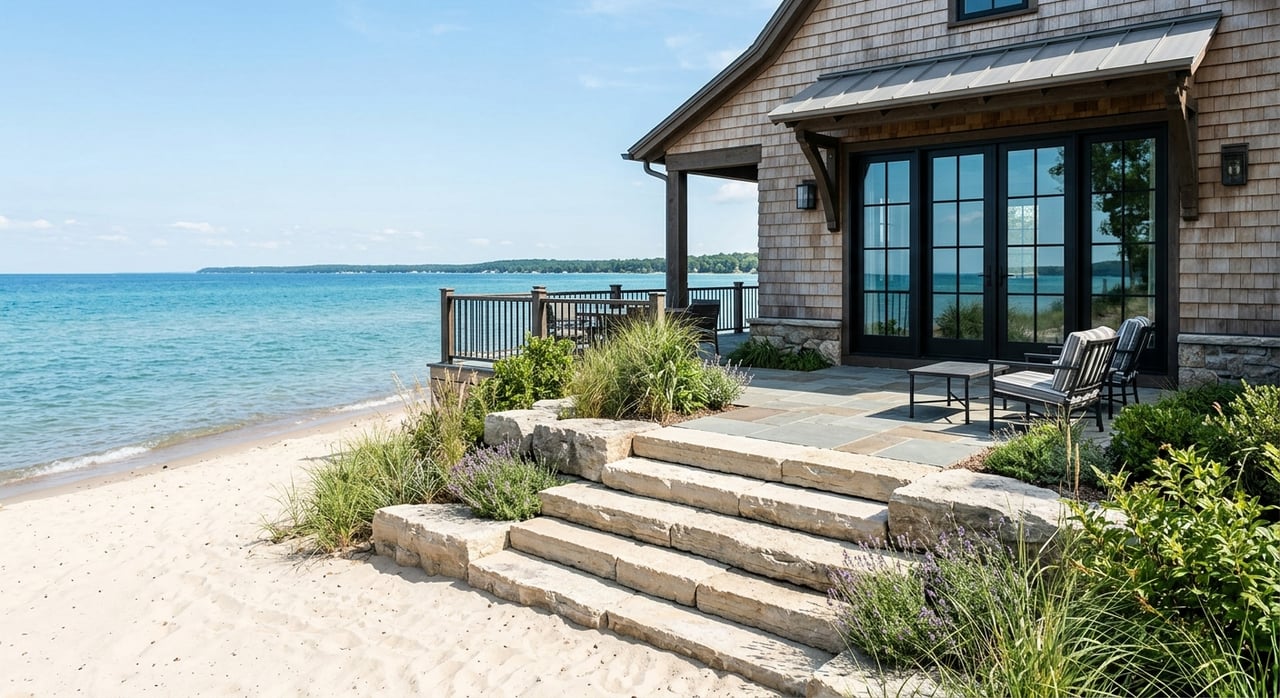
That matters when you prepare to sell. Buyers may be looking closely at beach access, bluff conditions, outdoor living space, and how the waterfront appears during the showing season. It also means you should avoid presenting shoreline features as permanent, because Great Lakes conditions can change over time.
The timing of your listing can shape how the property is perceived. Late spring through summer is often the clearest window for showing landscaping, shoreline access, and exterior gathering spaces, especially as Great Lakes water levels shift seasonally and across longer cycles.
Verify Any Shoreline Restrictions
Before you market future possibilities, confirm what the property allows today. Michigan EGLE notes that permits may be required in critical dune areas, Great Lakes flood risk areas, and for shoreline work such as seawalls, dredging, docks, or other land-water improvements.
If your cottage includes bluff work, beach stairs, retaining features, or older waterfront improvements, gather records early. This helps you market the home accurately and reduces the chance of a late surprise during buyer due diligence.
Prepare the Cottage Without Erasing Its Character
Many Lake Michigan cottages have older systems, custom additions, and repairs made over decades. That does not make them less valuable. It simply means your preparation should focus on clarity, documentation, and presentation.
You do not need to strip away every sign of history. In fact, a legacy property often resonates most when it feels well cared for, honest, and true to its setting.
Gather the Right Property Records
Michigan’s Seller Disclosure Act applies to most transfers of 1 to 4 residential units and requires a written disclosure before a binding purchase agreement. The disclosure is based on your knowledge, is not a warranty, and encourages buyers to obtain their own inspections and professional advice.
For an older cottage, this paperwork matters even more. The form asks about key systems such as plumbing, electrical, water heater, well, and septic, along with other known conditions. If you can provide service invoices, repair history, and prior reports up front, you help buyers understand the property with more confidence.
A useful pre-listing file may include:
- Well and septic records
- Repair invoices and maintenance logs
- Roof, mechanical, or electrical service history
- Any shoreline, bluff, or permit-related documents
- Surveys, if available
- Prior inspection reports, if appropriate to share
Focus on Safe, Sensible Updates
If you are planning improvements before listing, keep the difference between cosmetic work and regulated shoreline work in mind. Cleaning, decluttering, painting, and repairing deferred maintenance are usually straightforward ways to improve presentation.
By contrast, shoreline alterations may involve additional review. Michigan’s Water Resources Division guidance is a good reminder that work affecting dunes, erosion areas, flood risk areas, docks, seawalls, or dredging should not be treated like a simple pre-sale project.
Price With Both Emotion and Evidence
Legacy cottages can be hard to price because families often see more than square footage. You may be thinking about sunsets, traditions, and years of investment, while buyers are balancing location, condition, and future maintenance.
The best pricing strategy respects both sides. Your cottage’s history can strengthen its appeal, but the market will still respond to what is verifiable today, including shoreline setting, condition, access, and documentation.
Tell the Story, But Stay Candid
A strong listing for a long-held lake property should feel warm, but not overly sentimental. Buyers want to understand what makes the home special, yet they also need a clear view of condition, layout, and waterfront realities.
That is why candor matters. If the property has original features, aging systems, or permit-sensitive shoreline elements, clear marketing can help attract buyers who appreciate stewardship rather than buyers who expect something entirely turnkey.
Use Marketing That Matches the Property
For a legacy Lake Michigan cottage, marketing should do two things at once. It should create an emotional connection, and it should answer practical questions quickly.
That starts with visuals. The National Association of REALTORS® reports in its 2025 Profile of Home Staging that 83% of buyers’ agents said staging makes it easier for buyers to visualize a future home, and photos, videos, and virtual tours remain highly important in the buying process.
Prioritize the Most Important Visuals
For waterfront homes, strong visuals are not a bonus. They are often central to how buyers decide whether to take the next step.
Your marketing plan should emphasize:
- Professional photography that captures both interiors and shoreline context
- Video or virtual tours that show room-to-room flow
- Exterior images that highlight access, beach, bluff, and outdoor living areas
- Thoughtful staging or decluttering in key spaces like the living room, kitchen, and primary bedroom
For many sellers, full-scale staging in every room is not necessary. Decluttering, cleaning, and fixing obvious issues can go a long way, especially when paired with premium photography and a clear property narrative.
Reach the Right Buyer Pool
A legacy cottage often appeals to a specific kind of buyer. That may include local waterfront shoppers, second-home buyers from other markets, or buyers looking for a property with character and long-term value.
Because of that, your marketing should go beyond simply listing the home online. A tailored strategy with polished visuals, digital distribution, and targeted outreach can help your property reach buyers who understand the value of a one-of-a-kind Lake Michigan setting.
Plan for Taxes Before You List
Your sale price is only part of the story. Your net proceeds may also depend on how the cottage was used, how it was acquired, and whether there are estate or trust issues involved.
This is especially important for family cottages that have shifted between seasonal use, rental use, inheritance, and long-term ownership over time. A CPA or estate attorney can help you sort through the details before the property hits the market.
Understand Capital Gains Basics
If the cottage has been your main home, you may qualify to exclude some of the gain from taxes. The IRS explains in its capital gains exclusion overview that eligible sellers may exclude up to $250,000 of gain, or up to $500,000 for married couples filing jointly, if ownership and residence tests are met.
If the property was rented, used for business, or depreciated, the outcome may be different. In those cases, part of the gain may still be taxable, so it is smart to get tax advice early rather than waiting until closing is near.
Review Inherited Property Basis
For inherited cottages, basis can significantly affect the taxable gain. The IRS notes in Publication 559 guidance that inherited property is generally given a basis equal to its fair market value on the date of death.
That can make a major difference for multi-generational lake properties. If the cottage came through an estate or trust, gathering records and involving professional advisors early can help you avoid confusion later.
Watch Michigan Property Tax Rules
Michigan sellers should also understand what happens after a transfer. The state explains that a transfer of ownership may cause taxable value to uncap in the following calendar year, and a Property Transfer Affidavit must usually be filed within 45 days.
If paperwork is missed or delayed, penalties and retroactive issues may follow. That is another reason to coordinate early with your title company, assessor, and any tax or estate professionals involved in the sale.
Special Considerations for Estate Sales
Not every legacy cottage sale is handled by an owner-occupant. In some cases, the property is being sold through estate administration, trust administration, or by a family member serving in a fiduciary role.
Michigan’s Seller Disclosure Act includes certain exemptions for transfers by a nonoccupant fiduciary during the administration of a decedent’s estate. Even so, the sale still deserves careful review for title, tax, condition, and shoreline questions before it closes.
Why a Thoughtful Strategy Matters
Selling a Lake Michigan cottage is not just about putting a sign in the yard. It is about balancing memory with market realities, and preserving the story of the property while presenting it clearly to today’s buyers.
When you combine documentation, careful preparation, shoreline awareness, and high-quality marketing, you create a smoother path forward. You also improve your chances of finding a buyer who sees not just the house, but the legacy behind it.
If you are thinking about selling a long-held waterfront home, Michigan Homes and Cottages can help you create a thoughtful plan that honors the property, clarifies the process, and brings your cottage to market with care.
FAQs
What makes selling a Lake Michigan cottage different from selling a typical home?
- A Lake Michigan cottage often involves shoreline conditions, erosion or dune considerations, older systems, and a strong emotional connection that can affect preparation, pricing, and marketing.
Should you make shoreline improvements before selling a Lake Michigan waterfront property?
- Not without checking the property’s regulatory status first, because shoreline work in erosion areas, critical dunes, flood risk areas, or waterfront improvement zones may require permits or review.
What records should you gather before listing a legacy cottage in Michigan?
- You should gather seller disclosure information, repair invoices, maintenance records, well and septic documents, surveys if available, and any permit or shoreline-related paperwork.
How does inheritance affect taxes when selling a Michigan family cottage?
- Inherited property generally receives a basis equal to fair market value on the date of death, which can change the taxable gain and should be reviewed with a CPA or estate attorney.
Does Michigan require seller disclosures for an older cottage sale?
- In many cases yes, because Michigan’s Seller Disclosure Act applies to most transfers of 1 to 4 residential units, although certain estate-related fiduciary transfers may be exempt.
When is the best time to list a Lake Michigan cottage for sale?
- Late spring through summer is often the clearest time to show shoreline access, landscaping, and outdoor spaces, though shoreline appearance can still vary with seasonal and long-term water level changes.