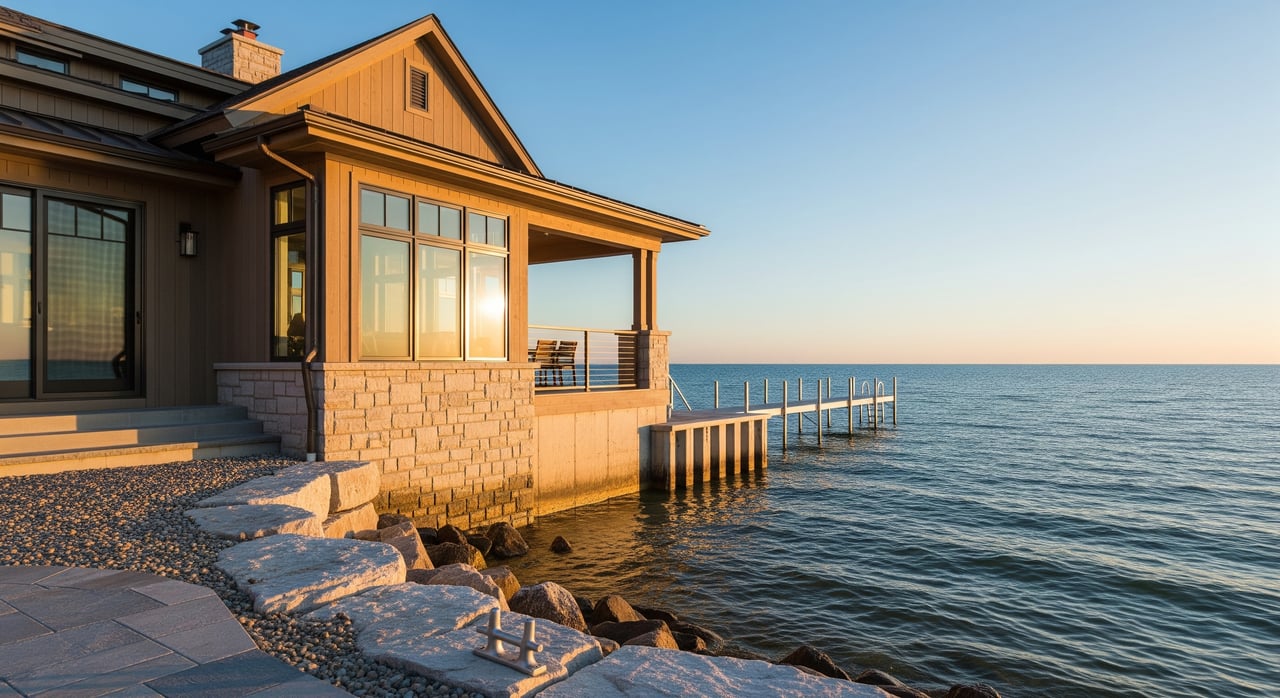
You fell in love with the idea of a Lake Michigan home for the light, the views and the easy walk to the water. Before you start picturing summer on the deck, it pays to understand how lakefront inspections differ from inland homes. With a clear plan, you can protect your investment and avoid surprises. This guide walks you through what to expect, who to hire and how season and shoreline rules shape the process. Let’s dive in.
How lakefront inspections differ
Lake Michigan’s water levels and storms change from year to year. Higher levels and strong storms can speed up erosion and raise flood risk in some areas. If you are buying, it helps to check current conditions using NOAA’s Great Lakes water‑level resources.
Shoreline rules involve several layers of oversight. Depending on the property, work along the shore can require local, state or federal permits. For shoreline best practices in Michigan, explore Michigan Sea Grant’s coastal resources. For in‑water or shoreline structures in navigable waters, review the U.S. Army Corps of Engineers Regulatory Program.
Lakefront homes live with more moisture, wind and freeze‑thaw cycles. Exterior materials, fasteners and concrete can age faster than they do inland. Your inspection should account for exposure, maintenance history and the condition of any marine structures.
Your inspection roadmap
Start with a standard home inspection
Begin with a licensed home inspector who evaluates the roof, exterior cladding, windows and doors. They will assess the foundation and basement or crawlspace for settlement and moisture. Inside, they will review HVAC, electrical and plumbing, plus insulation, ventilation and signs of past water intrusion. A standard inspector may flag moisture concerns, but detailed mold or invasive testing is typically a separate service.
Add lakefront‑specific evaluations
Have the shoreline type and stability reviewed. Bluffs, dunes and sloped banks need careful attention for scarping, slumping or exposed roots. If present, seawalls, bulkheads, retaining walls and riprap should be checked for undermining at the toe, leaning, separation and corrosion.
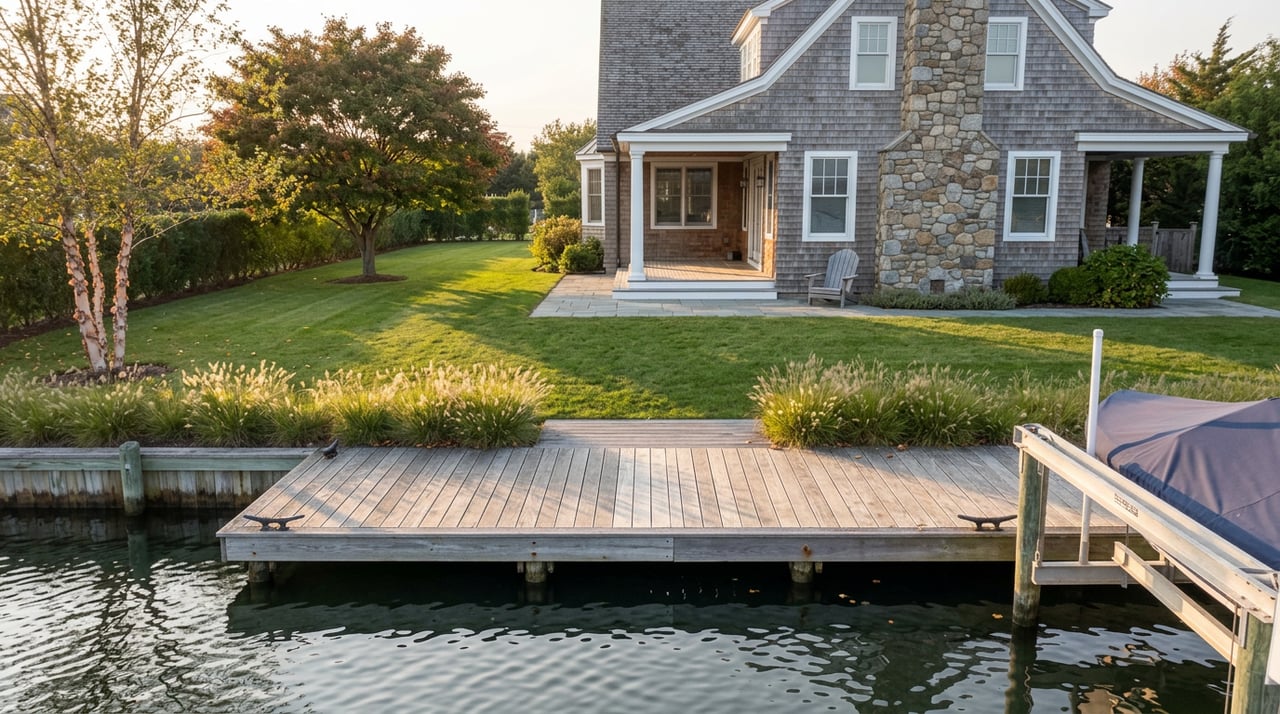
Docks, piers, pilings and boathouses deserve their own look. Inspect connections to shore, wood rot, fastener corrosion and any electrical safety issues. Many general inspectors will defer to a marine contractor or structural engineer for detailed assessments of these structures.
Drainage and access matter too. Confirm that site runoff does not rush down the slope toward the lake, and review stairs and paths for stability and safety. On vegetated slopes, note whether native plants or terraces are used to reduce erosion.
Well and water quality testing
If the home has a private well, plan a well inspection and water testing. A qualified well professional will check the well cap and sanitary seal, visible components, pump and pressure tank, and distances from possible contamination sources. For water quality, the EPA’s private well guidance and CDC recommendations support testing for total coliform and E. coli before closing and every year after. Many buyers also test for nitrate, pH, total dissolved solids, hardness, iron and manganese. Add lead or arsenic testing if local plumbing or geology suggests a risk.
Septic and onsite wastewater
Near the lake, septic systems face higher water tables and stricter setbacks. A certified septic inspector or county health department can locate the tank and field, review age and pump history, and check for signs of overload, saturation or surfacing effluent. Review the EPA’s septic system guidance for what a complete evaluation includes and why setbacks to water bodies matter.
Mold, moisture and radon
Lakefront homes can see more condensation and dampness. A visual mold and moisture inspection is common, and air or surface sampling is usually reserved for visible growth, health concerns or unexplained moisture. Radon levels vary by county across the Midwest; testing is simple and often done during the inspection window. Learn more in the EPA’s radon resource.
Exterior materials and corrosion
Although Lake Michigan is freshwater, coastal exposure still accelerates wear. Look for wood rot in older decking and pilings, corrosion of fasteners, and concrete cracking or spalling from freeze‑thaw cycles. Expect more frequent exterior maintenance than an inland home, especially on painted or wood finishes.
Timing on the Lakeshore
Late spring through early fall offers the best visibility of shoreline features and structures. Docks are typically in the water, vegetation is up and erosion clues are easier to spot. In winter, snow and ice can hide bluff movement, and many docks are stored. If you shop in the off‑season, consider allowing a warm‑weather walk‑through or re‑inspection once conditions improve.
Water and septic inspections are possible year‑round. Just plan ahead. Bacterial water samples have tight lab windows, and saturated ground can complicate septic field evaluations in very wet periods.
Permits, flood zones and records
Before you close, check flood status and any insurance requirements. Use the FEMA Map Service Center to review flood zones and discuss coverage with your lender and insurer. For shoreline work or existing structures, verify permit history with local officials and consult the U.S. Army Corps of Engineers regulatory guidance. In Michigan, Michigan Sea Grant’s coastal resources are a helpful primer on shoreline management.
Ask the seller for documentation of seawall, dock and shoreline repairs, plus well and septic records. Written maintenance history helps you plan for future upkeep and replacements.
Common red flags to watch
- Fresh bluff or dune slumping, vertical scarps or toe erosion.
- Leaning seawalls or bulkheads, undermined toes, separated backfill or corroded metal.
- Saturated or failing drainfields, frequent pump‑outs, or strong odors near the field.
- Deteriorated well caps, missing sanitary seals, or wells too close to septic systems.
- Persistent basement or crawlspace dampness, high hydrostatic pressure or failed sump pumps.
- Rot in dock pilings, missing or corroded fasteners, or unsafe electrical at the shore.
- Evidence of temporary fixes that point to chronic shoreline issues.
If you see any of these, ask for specialist evaluations and permit records, and consider offer language that requires acceptable results before you proceed.
What it might cost
General home inspection fees vary by size and location. Basic bacterial well tests are often modest, commonly around $25 to $150, while full chemistry panels, septic inspections, marine structure reviews or structural engineer assessments can range from a few hundred to low thousands, depending on scope. Get local quotes so you can budget with confidence.
Smart offer strategies
- Write inspection contingencies that include water sampling for coliform and E. coli, plus targeted chemistries like nitrate and hardness.
- Request well and septic permits, past pumping dates, and shoreline repair records.
- If buying in winter, add a clause that allows a spring or summer shoreline review or re‑inspection.
- Reserve the right to bring in a structural engineer, marine contractor or environmental consultant if your inspector flags concerns.
- Plan for higher exterior maintenance and periodic shoreline work over time.
Work with a Lakeshore team
Buying on Lake Michigan is equal parts lifestyle and diligence. With the right plan and the right specialists, you can enjoy the waterfront while protecting your investment. If you want local guidance on timing, inspections and what to ask for in your offer, connect with the Lakeshore team that does this every day. Start the conversation with Michigan Homes and Cottages.
FAQs
What makes a Lake Michigan inspection different from inland homes?
- Variable lake levels, erosion and coastal exposure add checks for shoreline stability, marine structures and moisture management that go beyond a standard inland inspection.
Which specialists do I need for a Lake Michigan purchase?
- Plan on a licensed home inspector plus a well professional and water lab, a septic inspector, and often a marine contractor or structural engineer if shoreline structures or bluffs are present.
When is the best season to inspect a Lake Michigan waterfront property?
- Late spring through early fall gives the best view of docks, vegetation and erosion clues, while winter can hide shoreline conditions and remove docks from the water.
How do I check flood risk for a Lake Michigan property?
- Search the address on the FEMA Map Service Center to see mapped flood zones and discuss requirements with your lender and insurer.
What water tests are essential for a private well near Lake Michigan?
- Test for total coliform and E. coli before closing and annually after; consider nitrate, hardness, pH, iron and manganese, with lead or arsenic as conditions warrant per EPA well guidance.
Do I need a separate inspection for docks and seawalls?
- Yes, many general inspectors recommend a marine contractor or structural engineer for detailed evaluations of docks, pilings, seawalls and bluff stability to assess safety and lifespan.
You may also check Holland homes for sale today!