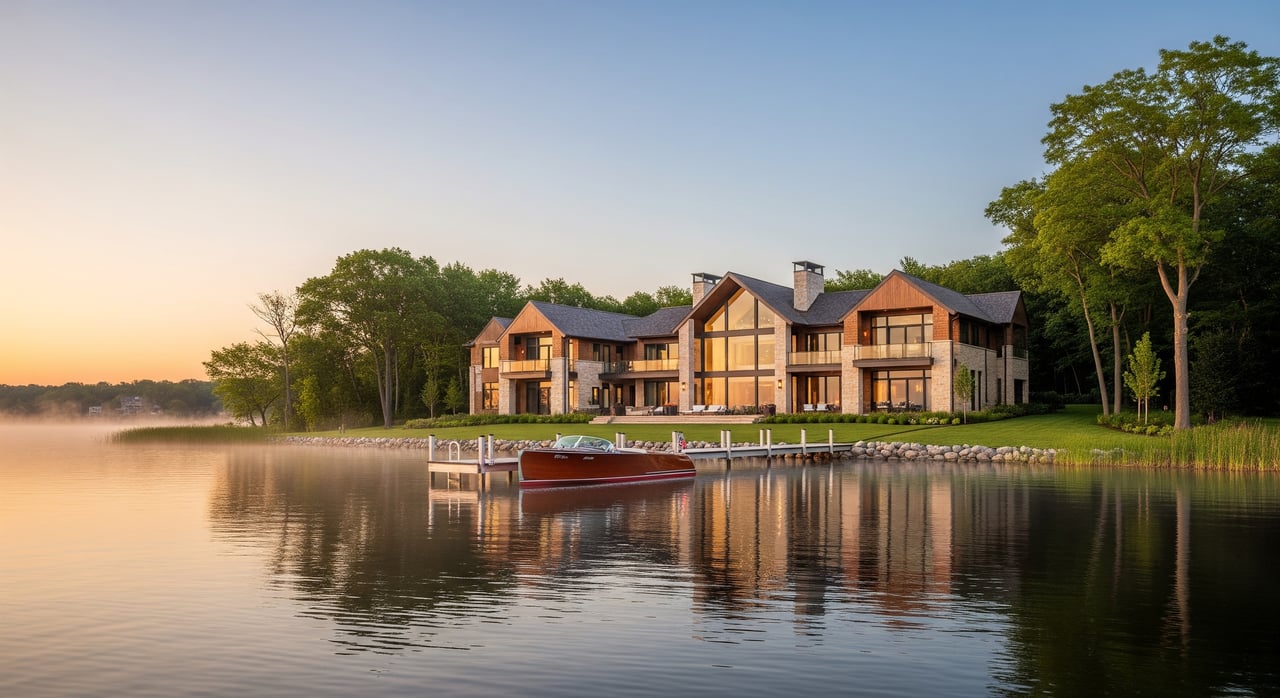
Shopping for a Spring Lake waterfront home above the typical price range? If your target property sits beyond the standard loan limits, you might be looking at a jumbo mortgage. That can feel complex when you add in docks, seawalls, flood zones, and higher insurance. In this guide, you’ll learn how jumbo loans work in Ottawa County, what lenders look for on waterfront homes, and how to time your purchase for spring. Let’s dive in.
What makes a loan jumbo in Ottawa County
A jumbo mortgage is any loan amount that exceeds the conforming loan limit for the county where the property is located. For Spring Lake and Ferrysburg, that means the Ottawa County limit set annually by the Federal Housing Finance Agency. If the mortgage you need is greater than that number, you are in jumbo territory.
These loans are not purchased by Fannie Mae or Freddie Mac. Lenders set pricing and guidelines based on their own risk and investor appetite. In practice, many waterfront purchases in our area exceed conforming limits because lake properties often command premium prices. If you are targeting a higher-end shoreline home, plan for jumbo terms early in your process.
How much down payment you need
Your down payment target depends on the property type and your profile.
- Primary homes: Many lenders allow 10–20 percent down for strong borrowers. A full 20 percent down payment is common and can help with better pricing and fewer overlays.
- Second homes and investments: Expect 20–30 percent down, often toward the higher end for waterfront purchases.
- PMI: Private mortgage insurance is less common for jumbo loans. Lenders may prefer higher down payments instead of PMI.
If you are moving assets between accounts, plan ahead so those funds season in your statements. If part of your down payment is a gift, be ready to document donor information and transfers.
Credit, DTI, and cash reserves
Jumbo underwriting expects a stronger overall file. Lenders will look closely at three areas:
- Credit score: Minimums often start in the low 700s, with the best pricing for scores in the mid-700s and above.
- Debt-to-income ratio: Many lenders prefer DTI below about 43–45 percent. Some will allow higher with strong compensating factors like large reserves.
- Cash reserves: Plan on 6–12 months of PITI in liquid reserves for higher-balance loans. Second homes, investor properties, and self-employed borrowers may need more.
For documentation, expect full income verification, recent bank statements for all accounts, and clear paper trails for large deposits or transfers. If you are self-employed or commission-based, lenders may average two years of income and review business stability.
Waterfront appraisals and why they take longer
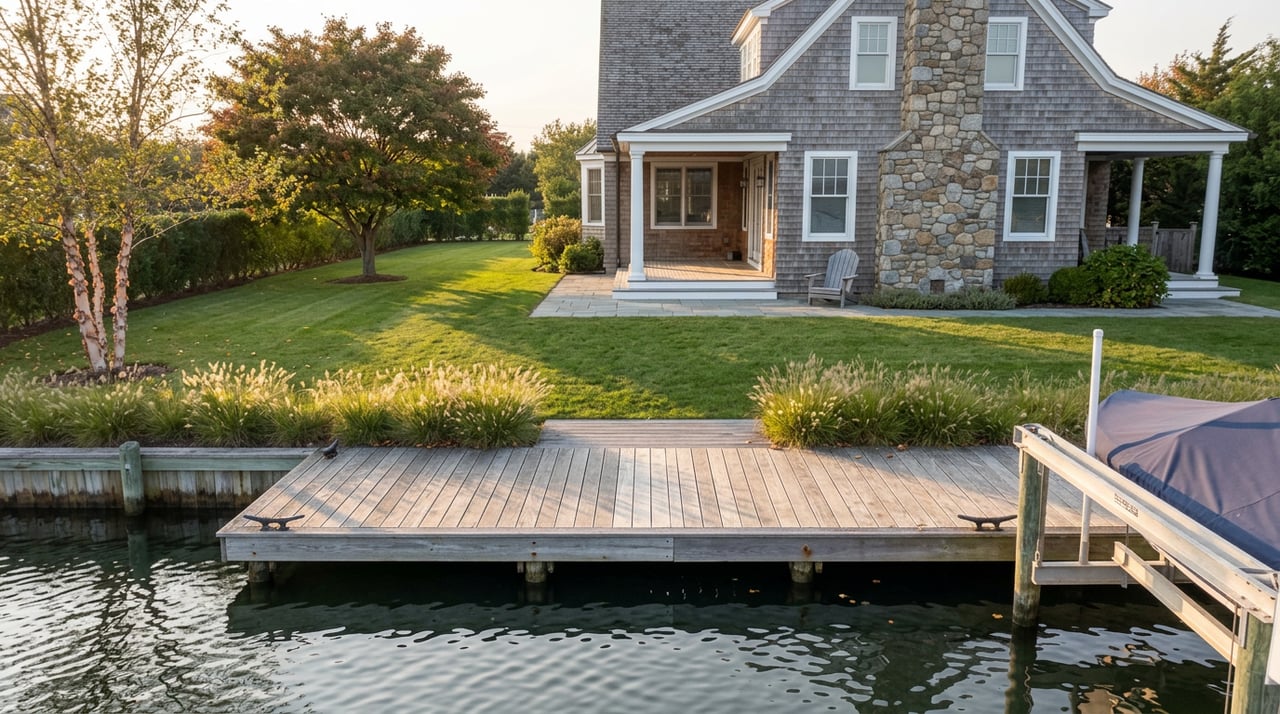
Waterfront homes are unique. You have view quality, water depth, dock and lift capacity, shoreline condition, and sometimes riparian rights. These features are not easy to compare across recent sales, which makes appraisals more complex.
- Appraisal scope: Expect a full interior and site appraisal. Desktop or automated valuations are unlikely for jumbos on the water.
- Valuation adjustments: Appraisers weigh shoreline access, the type and condition of docks or seawalls, orientation to the water, and overall site utility.
- Timeline: Turnaround can take longer, and re-inspections are possible if repairs are needed or seasonal conditions limit access.
Build extra time into your contract for appraisal, especially during the busy spring season when the best listings move quickly.
Flood zones and insurance basics
Lenders will order a flood determination. If your property lies in a FEMA Special Flood Hazard Area, you will need flood insurance. Even outside mapped high-risk areas, your insurance carrier may recommend flood coverage based on topography and local experience.
Waterfront properties can carry higher hazard insurance premiums due to wind, water exposure, and specialized structures. Your lender will require active hazard coverage before closing, and your monthly escrow will reflect actual premiums. Get quotes early so you understand the true payment.
Pro tip: Ask carriers about coverage for docks, bulkheads, boathouses, and any special deductibles for wind or water.
Title, shoreline, and dock considerations
Title and shoreline details matter both to you and your lender. Expect the title company and the lender to review:
- Riparian rights or easements that affect access and use
- Recorded permits and maintenance records for docks, lifts, seawalls, and shoreline stabilization
- Local rules, HOA covenants, or seasonal usage guidelines that could impact your plans
If significant structural work was done, collect permits and contractor documentation. This helps underwriting and can reduce appraisal questions.
Rate dynamics for jumbo loans
Jumbo rates are driven by lender pricing and investor demand. They do not follow conforming mortgage-backed securities as closely. Spreads can tighten or widen with shifts in Treasury yields and capital market conditions.
What this means for you:
- Market moves matter: Rates can change daily. Jumbo pricing is sensitive to intermediate and long-term Treasury yields and to lender funding costs.
- Rates vs. conforming: Sometimes jumbos are higher than conforming rates. Sometimes they are similar or even lower when investor appetite is strong. The spread is not static.
Discuss current pricing with your lender when you are about to shop and again when you write an offer. A small move in rates can change your monthly payment more on a higher loan amount.
Lock strategy and timing your purchase
Because rates move and jumbo pricing can be volatile, a thoughtful lock plan helps you manage risk.
- Get pre-approved early: Complete documentation 4–8 weeks before you plan to tour homes in spring. That gives underwriting time to review a complex file.
- Consider lock features: Ask about short-term locks and float-down options if available. Long locks can carry extra cost, so match the lock to your closing timeline.
- Lock near acceptance: If rates are rising, many buyers lock soon after offer acceptance. If rates are falling, talk with your lender about timing and contingency options.
Spring timeline for Spring Lake buyers
Spring is the peak season for inventory and activity in West Michigan. Waterfront supply is limited, and top listings can move fast. Plan your jumbo path around a clear timeline.
- 6–8 weeks before shopping: Choose your lender. Complete a full pre-approval and gather documentation. Start conversations with insurers and request preliminary quotes.
- 2–3 weeks before shopping: Verify tax estimates, HOA dues, and any local assessments for target neighborhoods. Confirm your liquid reserves are where your lender needs them.
- Offer to close: Allow 2–6 weeks from application to clear-to-close on a jumbo, depending on documentation and appraisal complexity. Waterfront features can add time if the appraiser needs additional data or inspections.
Local checklist for Spring Lake and Ferrysburg
Use this quick list to stay ahead of underwriting and avoid surprises on the water.
- Pre-approval in hand: Written pre-approval showing loan amount, estimated rate range, down payment, and a document list.
- Documents ready: 24 months of tax returns for self-employed, most recent W-2s and pay stubs, 2–3 months of bank and investment statements, and explanations for large deposits.
- Reserves verified: Confirm liquid assets to meet reserve requirements, often 6–12 months of PITI for jumbos.
- Flood check: Order a preliminary flood determination and ask your insurance broker for a flood and hazard quote.
- Dock and shoreline file: Collect permits, repair invoices, and maintenance history for docks, lifts, seawalls, and shoreline stabilization.
- Property taxes and fees: Pull current Ottawa County tax data and any special assessments for a realistic payment estimate.
- HOA and local rules: Review covenants, dock regulations, rental rules, and seasonal usage policies that could affect your plans.
- Appraisal prep: Budget for a higher appraisal fee and longer timeline. Be ready to address unique features in an appraiser addendum.
How to position your offer on a jumbo
On the water, confidence and clarity matter. A strong jumbo offer often includes:
- A recent, lender-issued pre-approval backed by underwriter review
- Proof of funds for down payment and reserves
- Clear timelines for appraisal and inspections
- Realistic insurance and tax estimates reflected in your loan approval
If you are competing, consider tightening contingencies only where it is prudent and supported by your lender’s timeline. Your goal is to show the seller your financing is solid and your path to closing is clear.
Why local experience helps
Waterfront transactions in Spring Lake and Ferrysburg come with special moving parts. A lender who understands local appraisal comps, a title company familiar with riparian rights, and insurers who routinely write dock and shoreline coverage can save you time and stress.
You also benefit from an agent who knows how to vet shoreline structures, request the right permits, and sequence appraisal and inspections for a smooth close. That coordination becomes even more important with a jumbo loan, where underwriting depth and documentation are greater.
Work with a team that knows the lakeshore
You deserve guidance that blends waterfront expertise with a calm, concierge experience. As a boutique-luxury team along West Michigan’s Lakeshore, we focus on higher-end primary and second homes, with deep experience on Spring Lake and nearby communities. We help you prepare a complete jumbo file, connect you with lenders and insurers who understand waterfront nuances, and structure offers that travel cleanly from acceptance to close.
If you are planning a Spring Lake purchase this season, let’s talk through your goals, timing, and financing path. Start early, get your documentation dialed in, and position yourself to act when the right shoreline property appears. To begin, reach out to Michigan Homes and Cottages for a personalized strategy.
FAQs
What is a jumbo loan for Spring Lake waterfront homes?
- A jumbo loan is a mortgage that exceeds the current conforming loan limit for Ottawa County. Many Spring Lake waterfront purchases fall into this category due to higher price points.
How much should I plan for a jumbo down payment?
- For primary homes, 10–20 percent down is common for strong borrowers. Second homes or investments often require 20–30 percent down, usually on the higher side for waterfront.
What credit score and DTI do jumbo lenders prefer?
- Many jumbo lenders look for credit scores starting in the low 700s, with best pricing in the mid-700s and above, and prefer debt-to-income ratios below about 43–45 percent.
How many months of reserves do I need for a jumbo?
- Reserve requirements often range from 6–12 months of PITI for higher-balance loans, with more required for second homes, investor properties, or self-employed borrowers.
Why are waterfront appraisals more complex?
- Unique features like docks, lifts, shoreline condition, view quality, and riparian rights make it harder to find comparable sales, which can extend appraisal timelines and require more analysis.
Will I need flood insurance for a Spring Lake home?
- If your property is in a FEMA Special Flood Hazard Area, your lender will require flood insurance. Even outside high-risk zones, your insurer may recommend flood coverage based on location.